Travel insurance Vietnam: why a policy can refuse to pay after a motorbike accident
Buy travel insurance before visiting Vietnam if your trip includes motorbike rides, the Ha Giang Loop, trekking or travel far from major hospitals. For a short city holiday, check your existing overseas medical coverage before paying for another policy.
By Da Lat LoversPublished Updated
Vietnam's emergency ambulance number is 115. But knowing whom to call won't settle a hospital bill or arrange an evacuation from a remote mountain road. Before traveling to Vietnam, check that your insurance covers medical treatment, the activities you plan to do and transport to a suitable hospital if something goes wrong.
Is travel insurance mandatory for Vietnam?
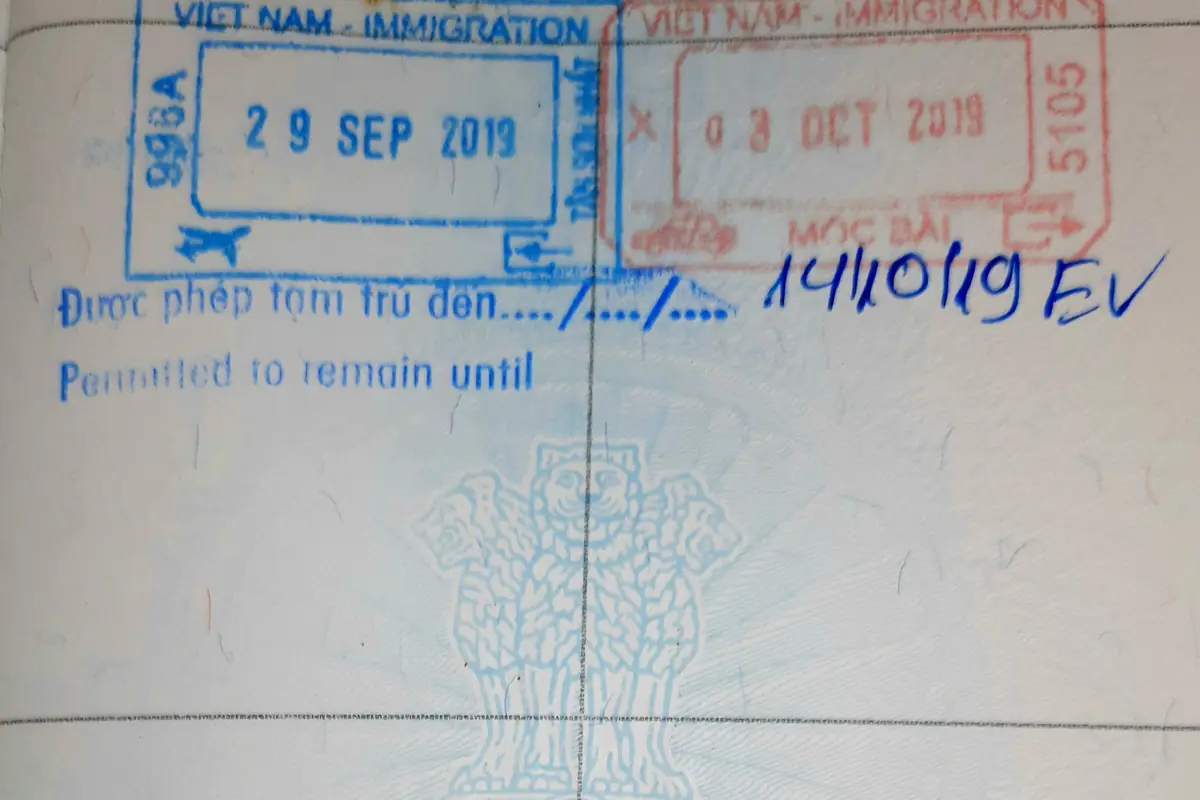
Ordinary tourists visiting Vietnam face no general requirement to purchase a separate travel insurance policy simply to enter the country. Vietnam's electronic visa rules list passport and immigration eligibility conditions without a general compulsory travel insurance requirement for all applicants. The application process may ask about health insurance arrangements, but that should not be confused with a universal obligation to buy a policy.
Rules can differ for particular travel arrangements, visa categories or special circumstances. Check the requirements applicable to your nationality and travel documents before departure.
That answers the legal question. Whether traveling without insurance is sensible is another matter. Foreign visitors are responsible for their medical expenses in Vietnam. Public hospitals charge for treatment, private hospitals have their own fee schedules, and direct billing with overseas health insurance depends on the hospital.
Hospitals may require payment in advance or evidence of adequate insurance, so make sure your coverage includes emergency treatment and medical evacuation.
Comprehensive overseas medical coverage may be enough for a seven-day holiday in Hanoi and Hoi An, as long as it includes Vietnam and covers your full travel dates. A month traveling around the country, particularly with motorcycle journeys or outdoor activities, makes dedicated travel insurance considerably more useful.
The main issue is not whether immigration officers ask to see an insurance certificate. It is whether you can pay for treatment and arrange help if your trip goes wrong.
When should you buy travel insurance for Vietnam?
How much protection you need depends on the itinerary. A traveler spending four days in Hanoi, staying near Hoan Kiem Lake and moving around by taxi faces different insurance questions from someone planning four days on the Ha Giang Loop.
A short city holiday
Start with medical coverage on a short stay in Hanoi, Ho Chi Minh City or Da Nang. Check whether your existing health or travel policy covers emergency illness, accidents, outpatient treatment and hospital admission in Vietnam.
If it already provides suitable overseas protection, you may not need another policy with overlapping benefits. You may still want cancellation or baggage cover when flights and hotels are expensive or non-refundable.
A two-week trip across Vietnam
A typical itinerary might include Hanoi, Ha Long Bay, Ninh Binh, Hue, Hoi An and Ho Chi Minh City. Here, comprehensive travel insurance is more useful because you are combining flights, trains, road transfers, boat trips and several accommodation bookings.
Medical treatment should remain the priority, with trip interruption, baggage delay and cancellation benefits next. Adventure sports coverage is only worth paying for when your planned activities need it.
A trip including the Ha Giang Loop
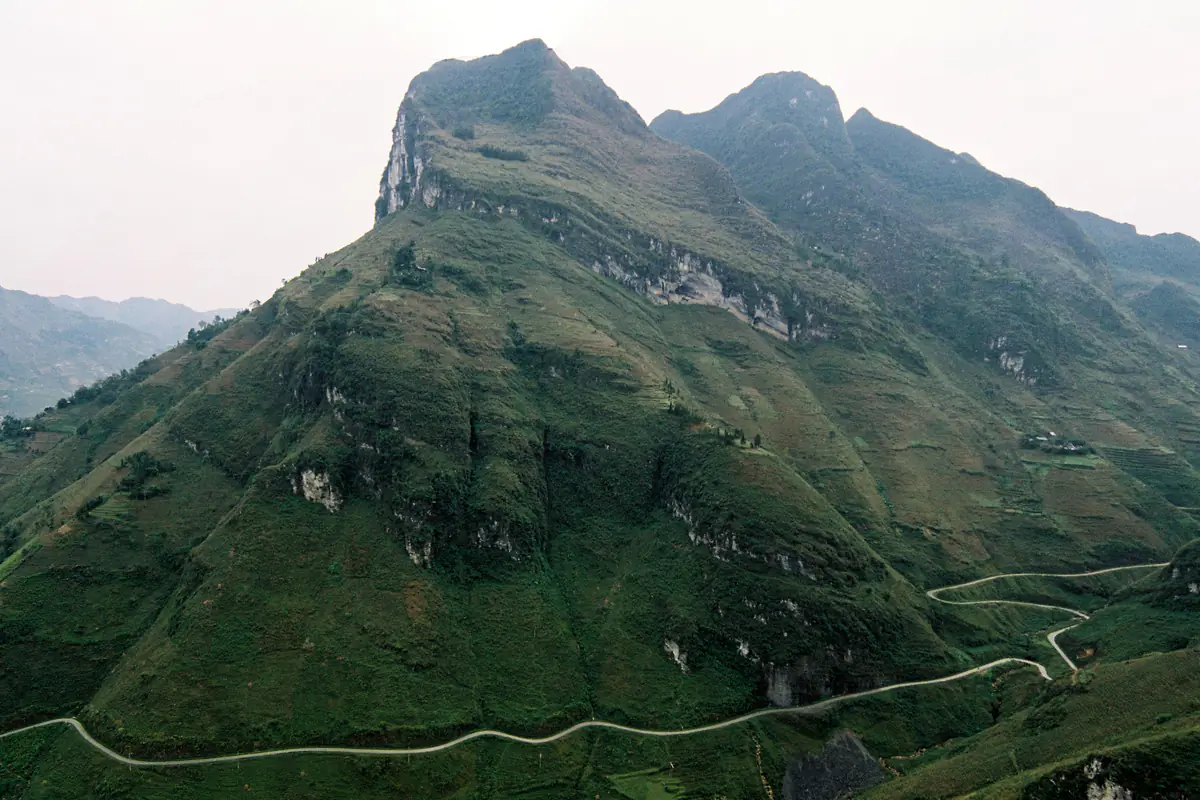
This is where standard insurance deserves closer examination. You might spend three or four days traveling through Quan Ba, Yen Minh, Dong Van and Meo Vac. Much of the route uses mountain roads, and serious injuries may require transfer to a better-equipped facility.
The policy should cover your chosen form of transport, whether that means riding your own motorcycle or traveling as a passenger with an Easy Rider. It should also provide suitable emergency medical benefits and transport between medical facilities when medically necessary.
A policy with a large headline medical limit is not enough if motorcycle-related injuries are excluded.
Trekking, caves and water activities
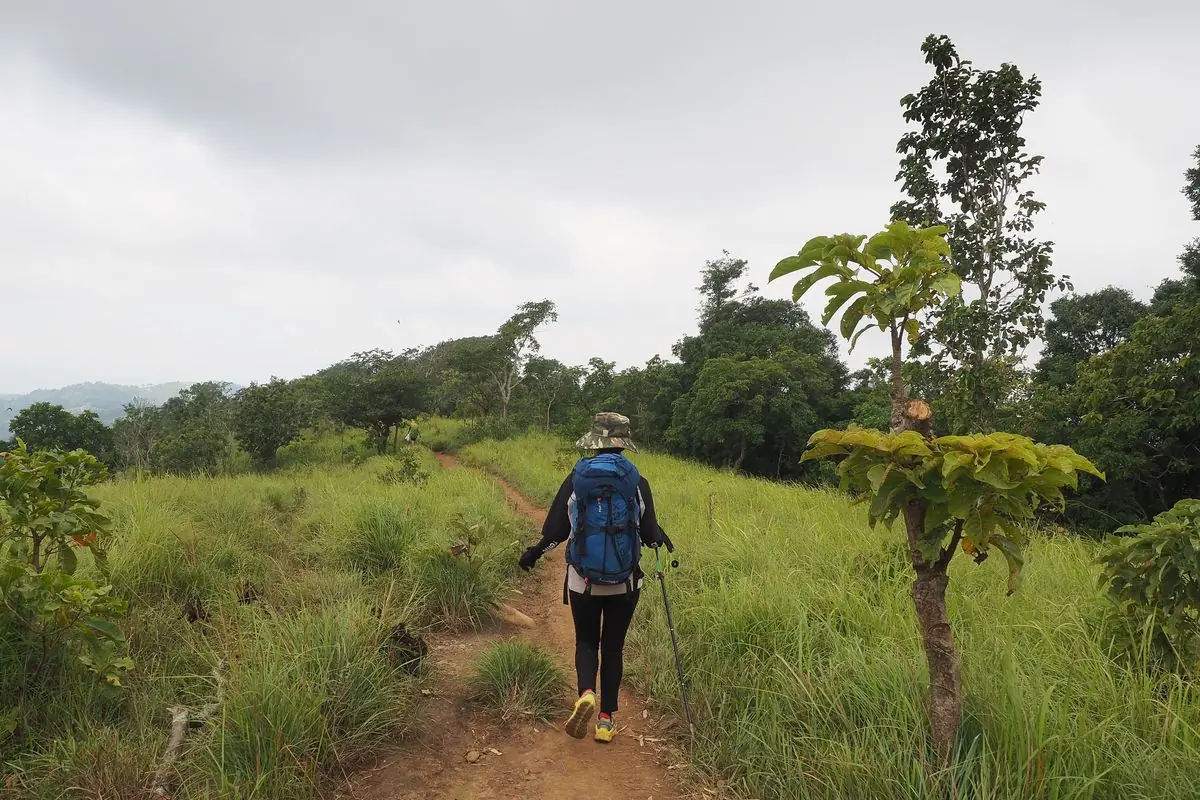
Look at the activity exclusions before Sapa trekking, cave expeditions around Phong Nha or scuba diving off the Vietnamese coast. Some policies cover ordinary hiking but restrict mountaineering. Others distinguish snorkeling from scuba diving, or guided cave walks from technical caving.
The activity name matters. Tell the insurer exactly what you intend to do rather than simply asking whether adventure travel is included.
What does travel insurance for Vietnam cover?
A comprehensive travel insurance policy can combine medical protection with benefits related to travel disruption. However, individual products differ substantially.
| Coverage | What it may pay for | What to check |
|---|---|---|
| Emergency medical treatment | Eligible illness, injuries and hospital bills | Medical limit, exclusions and deductible |
| Emergency medical evacuation | Transfer to an appropriate medical facility | Medical necessity and prior approval |
| Medical repatriation | Return to your home country when medically appropriate | Approval and transport arrangements |
| Personal accident | Specified injury, disability or death benefits | Benefit table and payout conditions |
| Trip cancellation | Non-refundable expenses for covered reasons | Eligible cancellation events |
| Trip interruption | Certain extra expenses when a trip ends early | Covered reasons and limits |
| Baggage protection | Loss, theft or damage to belongings | Per-item limits and reporting requirements |
| Travel delay | Eligible additional costs after qualifying delays | Minimum delay duration |
| Personal liability | Certain claims involving injury or property damage to others | Motor vehicle exclusions |
The distinction between medical expense coverage and personal accident benefits matters most.
Suppose your policy lists a large benefit for accidental permanent disability. You won't get that amount for an X-ray, stitches or a short hospital stay. Medical expense coverage pays eligible treatment costs, subject to policy limits and conditions, while personal accident coverage may instead pay a fixed amount or percentage based on the severity of a specified injury.
Read the medical expenses section first. A large accidental death benefit is not a substitute for adequate hospital coverage.
Medical evacuation is different from rescue
An insurer may cover transport from one hospital to another when doctors and its assistance provider determine that transfer is medically necessary. Search and rescue in the mountains can be a separate benefit altogether.
For example, locating an injured trekker in a remote area and moving that person from a trail to a road may be treated differently from transporting a patient between hospitals. Some policies offer additional search-and-rescue benefits. Others exclude them or impose separate limits. Check both before a mountain trip.
Repatriation does not mean you can choose any flight home
Medical repatriation is arranged when the appropriate medical professionals and assistance company determine that returning home is necessary or suitable under the policy. It is not a general entitlement to fly business class home whenever you feel unwell, and you may need approval before booking transport.
After a serious injury in northern Vietnam, the insurer might arrange treatment at a suitable hospital in Vietnam before considering international evacuation.
How much does medical treatment cost in Vietnam in 2026?
Vietnam can be an affordable place to eat, sleep and travel, but private medical treatment is neither free nor uniformly cheap. Costs vary between public and private hospitals, medical specialties, locations and the treatment required.
Sun Group International Hospital and Raffles Medical Vietnam both publish fee schedules, which give a useful picture of private prices in 2026.
Published hospital prices in Vietnam
| Hospital and service | Fee | Price schedule |
|---|---|---|
| Sun Group International Hospital, Phu Quoc - general internal medicine consultation for foreign visitors | 940,000 VND | Effective April 23, 2026 |
| Sun Group International Hospital, Phu Quoc - emergency consultation for foreign visitors | 1,560,000 VND | Effective April 23, 2026 |
| Sun Group International Hospital, Phu Quoc - emergency observation, 24 hours | 3,800,000 VND | Effective April 23, 2026 |
| Sun Group International Hospital, Phu Quoc - standard single inpatient room, 24 hours | 3,600,000 VND | Effective April 23, 2026 |
| Raffles Medical Vietnam - standard GP consultation, resident doctor, up to 30 minutes | 2,009,000 VND | Online price list, 2026 |
| Raffles Medical Vietnam - standard GP consultation, expatriate doctor, up to 30 minutes | 2,210,000 VND | Online price list, 2026 |
| Raffles Medical Vietnam - after-hours GP consultation, expatriate doctor | 4,017,000 VND | Online price list, 2026 |
These are service fees at two hospitals; average nationwide treatment costs may differ. Raffles pricing varies by clinic, and Sun Group's fees may change without prior notice.
A consultation fee is also only the start of an emergency bill. Medication, laboratory tests, medical imaging, procedures and additional treatment may be charged separately.
At Sun Group International Hospital in Phu Quoc, for example, the 24-hour emergency observation charge and the emergency consultation fee are separate services. A patient requiring surgery, several days of hospital care or onward medical transport would face a very different bill from someone attending a routine appointment.
Public hospitals versus private hospitals
Vietnam has large public hospitals that provide specialist and emergency care. They are not automatically inferior to private hospitals, and some handle complex cases that smaller private facilities cannot.
Foreign visitors may still run into language barriers and different administrative procedures. Private international hospitals and clinics are often easier to communicate with in English, but their services can cost substantially more.
If you are seriously injured, the appropriate hospital depends on the urgency of your condition, available equipment, medical specialists and location. It should not be chosen solely because a facility is marketed as international.
Suitable care for certain serious injuries may require transfer to a major city. In a motorcycle accident in a remote part of Ha Giang, the medical evacuation arrangements can matter more than the cost of the first consultation.
How much medical coverage should you buy?
There is no single official amount that every traveler needs for Vietnam. On a short holiday, I would prioritize a policy with a substantial emergency medical limit, suitable hospital coverage and evacuation benefits over one offering numerous small baggage benefits.
A useful comparison benchmark is at least US$100,000 in emergency medical coverage, with US$250,000 or more worth considering for longer trips and significant outdoor activities. Treat these as practical comparison figures; they are not Vietnamese legal requirements, and no limit guarantees that every possible emergency will be covered.
Also check whether evacuation has its own limit. An insurer may offer US$250,000 in overall medical protection while placing a separate restriction on emergency transport.
How much does Vietnam travel insurance cost in 2026?
Insurance prices depend on your country of residence, age, trip duration, provider, medical history, destination and optional activities. A seven-day policy for a 25-year-old visitor may cost far less than a month-long policy for someone in their sixties. There is no single Vietnam travel insurance price that applies to everyone.
A 2026 example: SafetyWing
SafetyWing's Nomad Insurance Essential plan costs US$62.72 per four weeks in 2026 for people aged 18-39. Its more comprehensive Nomad Insurance Complete plan costs US$177.50 per month for the same age group.
| SafetyWing product | Price in 2026 | Intended use |
|---|---|---|
| Nomad Insurance Essential | US$62.72 / 4 weeks | Unexpected medical problems and selected travel emergencies |
| Nomad Insurance Complete | US$177.50 / month | Broader international health insurance with additional travel benefits |
These prices are not Vietnam-only quotes and may change according to eligibility, plan selection and additional coverage.
The two plans also differ in more than price. Essential is principally travel medical insurance, while Complete includes broader healthcare protection, including certain routine and ongoing care benefits.
A two-week holiday in Vietnam may be more economical with a suitable single-trip policy from a home-country provider than with a monthly international plan. A recurring policy may be more convenient for someone traveling through Southeast Asia for several months.
What about motorcycle coverage?
SafetyWing covers motor accidents when the insured person is correctly licensed, using appropriate safety equipment and not intoxicated. However, it also lists motorcycles and mopeds over 50cc among activities addressed by an Adventure Sports add-on. A basic SafetyWing policy may not cover a 125cc motorbike in Vietnam.
You must establish which policy version you are buying, whether an add-on is required, and what the insurer means by motorcycle use in that version, because insurers change products, definitions and optional benefits over time.
Is cheap insurance enough for Vietnam?
It can be enough for a straightforward holiday when the medical limits and exclusions are appropriate. But don't choose a policy purely because it costs a few dollars less. Compare the emergency medical limit, evacuation coverage, deductible, country eligibility and motorcycle rules.
If you plan to ride the Ha Giang Loop, confirmation of motorcycle protection is much more valuable than a small saving in premium.
Does travel insurance cover motorbike accidents in Vietnam?
Motorbike accidents may be covered, but only when the relevant policy conditions are satisfied.
This is where many travelers make an expensive assumption: they buy travel insurance, hire a scooter in Vietnam and believe they are protected because the policy includes accidental injury. The insurer may still examine the rider's license, the vehicle, local law, helmet use and the precise circumstances of the accident.
Your motorcycle license matters
Vietnam's road traffic law, effective from January 1, 2025, sets out the current Vietnamese license categories.
Under the new classification:
- Category A1 covers two-wheeled motorcycles up to 125cc, or electric motorcycles up to 11kW.
- Category A covers two-wheeled motorcycles above 125cc or 11kW, along with vehicles covered by A1.
Vietnam has transitional provisions for previously issued licenses, so the license's original category and issue date can also matter. Foreign visitors must check whether their home license and any international driving permit are legally accepted in Vietnam for the specific vehicle.
Is an International Driving Permit enough?
Not by itself. Vietnam recognizes eligible documents under the 1968 Vienna Convention on Road Traffic, subject to applicable legal requirements. British visitors need the appropriate UK license together with the 1968 International Driving Permit (IDP).
An IDP is not a standalone motorcycle qualification. It cannot give someone a motorcycle entitlement they do not already possess, and the 1949 and 1968 versions are not interchangeable.
Singapore's 1949-format IDP, for example, is not legally recognized in Vietnam. US driving licenses and the IDPs available to American travelers likewise do not provide the required driving authorization in Vietnam.
Check your license arrangements with the relevant Vietnamese authority and your insurer before renting a bike. The rental shop's assurance is not enough.
Can you ride a 110cc or 125cc scooter?
Only when you meet the applicable legal licensing requirements and your insurance covers that type of riding. A 110cc scooter is not exempt from motorcycle licensing rules just because it is small or easy to operate. A car license alone does not entitle a foreign visitor to ride a motorcycle.
The distinction matters especially in places such as Ha Giang, where tourists may be offered a motorbike even when their driving documents are unsuitable.
Helmet use and alcohol
Vietnam requires motorcycle riders and passengers to wear appropriate helmets, and insurers may include helmet use as a specific policy condition.
Policies can also exclude accidents connected with intoxication, racing, reckless conduct or prohibited activities. Motorbike coverage can depend on holding the appropriate license, complying with local rules and wearing a helmet, and the exact conditions vary with the policy and country of residence. Read your own wording; insurers do not all apply identical terms.
What if the motorcycle rental company says insurance is included?
Ask what that insurance actually covers.
Travel insurance is a separate product. It may cover eligible injuries to you without covering damage you cause to another vehicle, the rental motorcycle or another person's property.
You may therefore need to check three separate arrangements: your personal medical coverage, the motorcycle's legally required insurance and any rental damage or liability protection offered by the operator. Each covers something different.
Ha Giang Loop travel insurance: self-riding or Easy Rider?
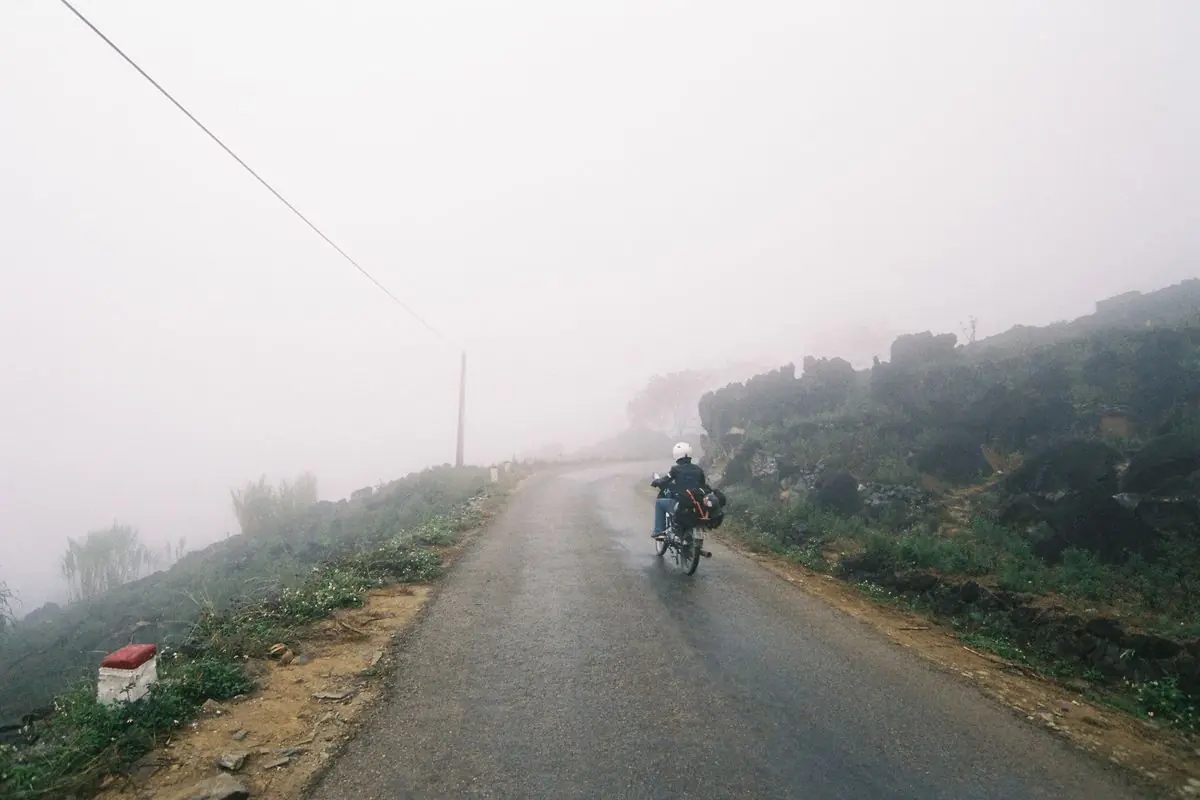
The Ha Giang Loop is one of the best-known motorcycle journeys in northern Vietnam. Routes commonly pass through Quan Ba, Yen Minh, Dong Van, Ma Pi Leng Pass and Meo Vac. A three- or four-day itinerary is common, although the route and stops vary between tour operators.
Your insurance needs depend heavily on whether you drive or travel as a passenger.
Self-riding the Ha Giang Loop
Self-riding gives you control over the bike, but it also places the licensing and riding responsibilities on you. Before booking, check whether your documents legally permit you to operate the exact motorcycle offered by the rental company.
Then obtain confirmation that your insurance covers medical injuries while riding that category of motorcycle on public mountain roads in Vietnam, including medically necessary transport when your condition requires transfer to another facility.
Mountain roads can include steep gradients, tight turns, restricted visibility and changing surfaces. Being comfortable riding around a quiet beach town is not the same as having experience on mountain roads.
Without the correct license or enough riding experience, choose another way to travel.
Riding with an Easy Rider
An Easy Rider tour means you sit behind a local motorcycle driver instead of operating the bike yourself. It is a practical option for travelers who do not hold the required riding documents or do not want to drive a motorcycle for several consecutive days.
But being a passenger does not automatically guarantee insurance coverage.
Passenger coverage can depend on conditions including a properly licensed driver, appropriate vehicle insurance and helmet use. A policy may also exclude certain third-party liabilities and damage to the hired motorcycle.
Before paying for the tour, ask the operator whether the driver holds the appropriate license for the vehicle and whether the bike has the legally required insurance. Then ask your travel insurer to confirm that riding pillion on a guided motorcycle tour in Ha Giang is covered.
A question worth emailing your insurer
Instead of asking whether Vietnam is covered, send a specific question:
Keep the insurer's written response with your policy documents.
Does booking through a tour company include medical insurance?
Not necessarily. A tour operator may mention insurance, but that can refer to vehicle liability protection, limited accident benefits or a separate group policy.
Ask for the insurer's name, coverage limits, insured persons and claims procedure. An operator saying "insurance included" is not enough information to decide whether you need your own travel medical policy.
What you want to know is who will pay hospital expenses after a serious injury and who can authorize transport to an appropriate medical facility.
Which travel insurance is best for Vietnam?
The best policy depends more on what you plan to do than on the company's name. Medical coverage and cancellation protection may be enough for a city holiday, while the Ha Giang Loop puts motorcycle conditions and evacuation cover first.
Three providers are worth comparing, although they serve different markets.
World Nomads: worth checking for active holidays
World Nomads offers travel insurance products with coverage for various outdoor and adventure activities. Its motorbike coverage depends on licensing, compliance with local road rules and helmet use, which makes it worth reviewing for travelers planning a combination of motorcycling, hiking and outdoor activities.
Cover still varies by residence country, purchased plan and activity, and a product offered to an Australian customer may not have identical conditions to one sold to a European traveler. Before buying, check the policy document generated for your residence country and ask about the exact activity and vehicle you intend to use.
SafetyWing: worth comparing for longer trips
SafetyWing is useful to compare when your Vietnam holiday forms part of a longer journey around Southeast Asia. Its Essential plan offers travel medical protection, while the Complete product provides broader international healthcare benefits.
The provider also offers optional Adventure Sports coverage under eligible subscription arrangements. Pay particular attention to motorcycle use over 50cc, the need for any add-on, and local licensing requirements. These details can determine whether the policy is suitable for the Ha Giang Loop.
Someone spending two months traveling through Vietnam, Laos, Thailand and Cambodia may find recurring insurance convenient. Someone visiting Vietnam for nine days should also check a fixed-date or single-trip policy before committing to a monthly plan.
Outbacker: a specific option for eligible UK travelers
Outbacker addresses the Ha Giang Loop directly. It explains conditions for self-riding and traveling as a motorcycle passenger, including licensing, helmet use and vehicle insurance, and makes clear that covering your injuries is different from covering damage to a hired motorcycle or liability to another person.
That makes it a useful provider to compare for eligible UK customers, particularly those planning a guided Easy Rider trip. As with any insurer, eligibility and the actual policy schedule determine whether the product suits you.
Should you choose insurance from your home country?
Often, yes. A provider based in or serving your country of residence may offer clearer customer support, familiar claims procedures and cover designed around your local healthcare arrangements. It may also offer a suitable single-trip policy at a competitive price.
Compare an established home-country insurer against an international provider before purchasing, and check that the contract is valid for your country of residence; not every website selling travel insurance can cover you. The cheapest policy may not be the best choice, but the most expensive one isn't better by default either.
Common reasons travel insurance claims are rejected in Vietnam
Travel insurance claims are not approved just because an accident happened overseas. The insurer examines whether the event falls within the insured risks, whether exclusions apply and whether the claim meets the policy's conditions.
Some common situations deserve attention.
| Situation | Why a claim may be denied or reduced |
|---|---|
| Riding a motorcycle without valid legal authorization | The policy requires compliance with local driving laws |
| Riding a motorcycle category not covered by the policy | Engine capacity or activity restrictions apply |
| Riding without a helmet | Helmet use is a condition of coverage |
| An accident involving alcohol | Intoxication exclusions may apply |
| Technical climbing or certain adventure activities | The activity is excluded or requires additional coverage |
| Treatment for a pre-existing medical condition | The condition was not covered or properly declared |
| Cancelling a trip because you changed your mind | The reason is not an insured cancellation event |
| Losing belongings left unattended | The property falls within an unattended-items exclusion |
| Booking an evacuation independently | The insurer requires prior coordination or approval |
| Making a claim without sufficient documents | The insurer cannot verify the eligible loss |
Each of these is a possible ground under the relevant policy wording, and the outcome depends on the contract. For instance, an insurer may request additional evidence of a motorcycle driver's license before deciding a claim. That is different from issuing a final rejection.
Likewise, the consequences of alcohol consumption depend on the wording and facts. Policies may have different definitions of intoxication or requirements relating to the cause of an accident.
When an insurer refuses payment, request a written explanation identifying the specific policy provision and evidence behind the decision.
Pre-existing conditions need special attention
Asthma, diabetes, a heart condition or another ongoing medical problem can leave some related emergencies uncovered. Some travel medical policies exclude pre-existing conditions, while others offer limited benefits or additional protection when the condition has been declared and accepted.
The definition of a pre-existing condition may include symptoms or medical investigations that occurred before purchasing the policy, even without a final diagnosis.
Check the wording and declare relevant information as requested. A routine consultation or planned treatment during your holiday is also different from an unexpected emergency.
What if you buy insurance after arriving in Vietnam?
Some providers, including SafetyWing, permit eligible travelers to purchase insurance while already abroad, but an existing injury, known illness or accident that happened before coverage began does not become insured.
There may also be waiting periods or restrictions when purchasing after departure. Check the effective date and time before paying. If you are already in Vietnam, confirm that your location and residence country meet the insurer's eligibility rules.
How to buy travel insurance for Vietnam
You can buy travel insurance through a provider's official website, a licensed intermediary, your existing insurer or a travel agency. Buying online is straightforward for a standard holiday, but the order of the checks matters.
Step 1: Write down your complete itinerary
Include your country of residence, departure date, return date and all destinations.
For example:
- Hanoi: three nights
- Ha Giang Loop: four days
- Ninh Binh: two nights
- Hoi An: three nights
- Ho Chi Minh City: two nights
Add any motorcycle riding, trekking, caving, scuba diving or other activities you intend to join.
Step 2: Get at least two comparable quotes
Use the same dates, age, residence country and destinations when comparing providers. Check whether the quoted price is for one journey, four weeks, one month or an annual multi-trip policy; a 12-month policy may still limit the maximum length of each trip.
Step 3: Compare medical and evacuation benefits
Look for the specific limits for emergency treatment, hospitalization, ambulance services and medical evacuation, and check whether the policy covers treatment at private hospitals, public hospitals or both.
Some providers work with assistance networks that can coordinate treatment and payment. Others operate mainly through reimbursement. Find out which arrangement you are buying.
Step 4: Read the exclusions for your activities
This is essential when renting a motorbike. Search the document for terms such as "motorcycle", "moped", "scooter", "license", "pillion passenger", "adventure sports", "off-road" and "evacuation". A policy that covers Vietnam as a destination may still exclude activities you do there.
Step 5: Ask questions before payment
Where the wording is unclear, contact the insurer. Mention the motorcycle engine size, type of license, whether you are riding or traveling as a passenger, and whether a local guide will operate the vehicle.
Request written confirmation. A general customer support message saying that Vietnam is covered does not establish that every motorcycle accident is covered.
Step 6: Check the insurance certificate
After payment, open the certificate rather than simply saving the payment receipt. Verify your name, dates, destination, insured persons, plan name and policy number, and make sure the documentation matches what you selected.
Step 7: Save the emergency contact details
Keep an offline copy of your certificate, policy wording and assistance telephone number, and share the essentials with someone traveling with you. In a serious incident, your companion may need to contact the insurer while you are receiving treatment.
Does insurance from a credit card cover Vietnam?
Some premium credit cards include travel insurance, but eligibility depends on the issuing bank and its insurance contract. Common conditions include paying for some or all of the trip using the card, holding an eligible account or satisfying a minimum booking requirement.
Other questions matter just as much. Does the coverage include emergency medical treatment? Is Vietnam within the geographical area? Are family members included? What is the maximum trip duration?
A policy attached to a credit card may focus on accidental death, flight delays or baggage issues. It may not provide the medical protection you expected, and motorcycle exclusions can also apply.
If your credit card insurance already offers sufficient overseas medical coverage, there may be no reason to purchase a second policy with identical benefits. But holding a premium card doesn't mean every hospital bill will be paid.
Download the actual insurance certificate and policy wording from your bank or insurer, and compare them with your Vietnam itinerary.
Travel insurance for different Vietnam itineraries
Start with your journey and work out the benefits from there.
Hanoi, Ninh Binh and Ha Long Bay: seven days
This is a common northern Vietnam itinerary for first-time visitors. You may travel between Hanoi and Ninh Binh by train, bus or private vehicle, then join a cruise in Ha Long Bay.
The priorities are emergency medical treatment, trip disruption and protection for prepaid bookings. A cruise or other organized activity may include its own insurance, but that cover may not protect you during the rest of your journey.
There is little reason to pay for motorcycle activity coverage when you have no plans to ride.
Hanoi and the Ha Giang Loop: eight days
This itinerary needs more attention, and the first question is whether you will self-ride or book an Easy Rider tour.
Self-riders should establish their legal ability to operate the motorcycle in Vietnam before choosing insurance, then check the policy's motorcycle conditions and medical evacuation benefits.
Passengers need confirmation that the policy covers the activity under the relevant requirements for the driver, vehicle and protective equipment. Don't treat a tour operator's insurance as a substitute until you have seen its terms.
Da Nang, Hoi An and Hue: six days
Conventional travel insurance may be adequate for a trip based around hotels, sightseeing and car or train transfers. Check the medical expenses limit, cancellation protection and any travel-delay benefits that matter to your bookings.
Read the motorcycle section before renting a scooter in Hoi An or riding the Hai Van Pass. A single day's scooter rental can introduce an exclusion that was irrelevant to the rest of the holiday.
Phong Nha: three or four days
Phong Nha offers everything from accessible cave visits to physically demanding expeditions, and a standard guided cave walk and a technical caving trip are not the same insurance activity.
Ask the tour operator for the official activity description, especially for trips with swimming through caves, rope descents, underground camping or specialized equipment. Give that description to your insurer and check rescue benefits separately from routine medical evacuation.

Phu Quoc: five days
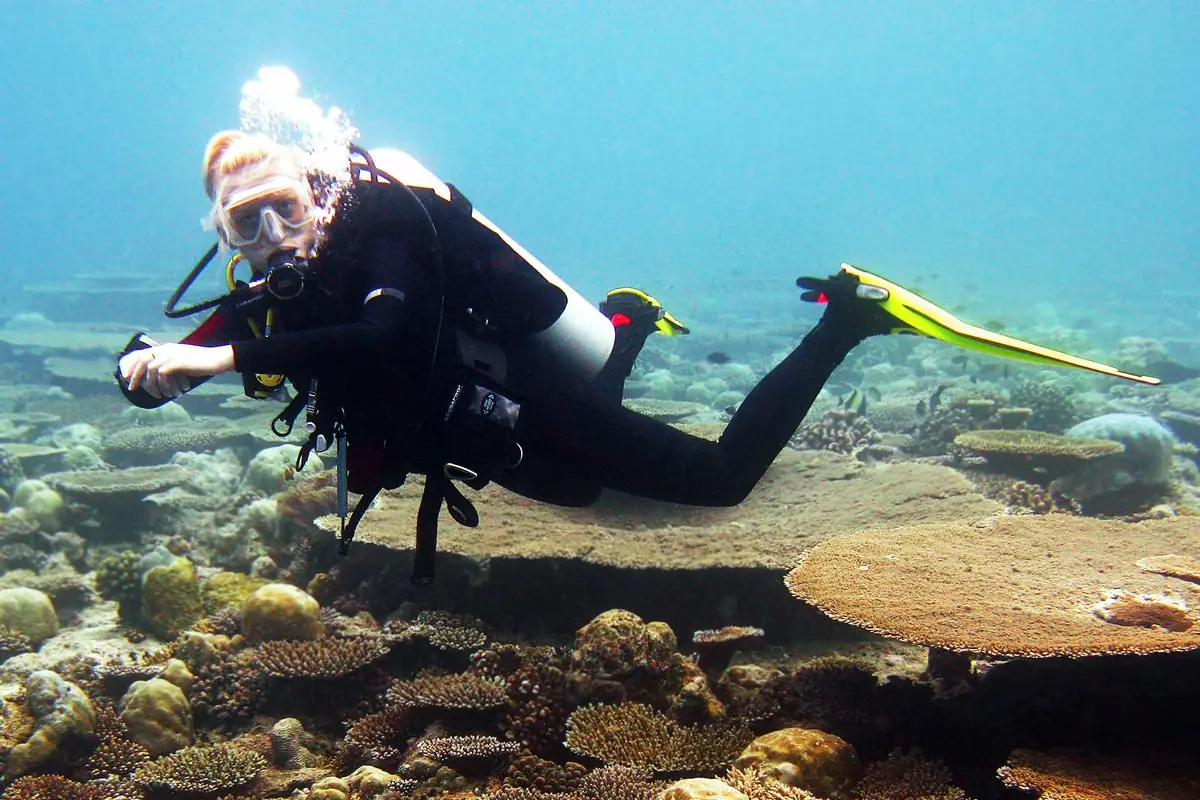
A resort holiday with beach visits and standard sightseeing may not require specialized adventure insurance. Scuba diving, motorized water activities and certain boat excursions deserve additional checks.
The April 2026 price schedule at Sun Group International Hospital in Phu Quoc is also a useful reminder that private medical costs can add up quickly. On this kind of holiday, I would prioritize emergency medical treatment, evacuation when medically necessary, and appropriate water-activity cover over minor baggage benefits.
A month-long Vietnam backpacking trip
A flexible travel medical policy may be convenient for a longer trip combining trains, sleeper buses, domestic flights, trekking and occasional scooter rentals. It needs to remain valid for your entire journey and all your destinations, including Laos, Cambodia or Thailand if you move beyond Vietnam.
A multi-country journey does not require multiple policies, but every destination and planned activity needs to fall within the protection purchased.
What to do if you need medical help in Vietnam
Call for emergency help
Vietnam's ambulance number is 115. Police can be contacted on 113 and fire services on 114.
Emergency operators may communicate primarily in Vietnamese. Ask a hotel employee, guide or Vietnamese-speaking companion for help when you cannot explain your location clearly.
After a serious motorcycle accident in the mountains, give rescuers your location as precisely as possible. Road names, nearby villages, GPS coordinates or a shared map location can help the people assisting you.
Follow the instructions of emergency personnel and medical professionals rather than arranging unsuitable transport for someone with a serious injury.
Contact your insurer's emergency assistance team
Call the emergency assistance number on your insurance certificate as soon as reasonably possible. Provide your policy number, name, current location, hospital details and the nature of the medical problem.
Someone accompanying you can contact the insurer when you cannot call. In serious cases, the assistance team can explain whether they can arrange hospital coordination, direct billing, transfer or repatriation under the policy.
Ask about direct billing
Direct billing means an insurer or its assistance partner arranges payment with a medical provider for eligible expenses, subject to the relevant agreement and authorization. Not every hospital offers it.
You may need to pay a deposit, settle some costs yourself or submit a reimbursement claim later.
Before undergoing non-emergency procedures or arranging an inter-hospital transfer, ask your insurer whether approval is required.
Keep your documents
Commonly requested records include medical reports, prescriptions, diagnostic results, itemized invoices, receipts and discharge summaries. For road accidents, the insurer may also ask for evidence about the accident, the vehicle and the driver's legal authorization.
Keep the driver's license information, motorcycle rental details and any relevant official incident report when available and appropriate. Explain to the insurer why any missing document could not be obtained, and ask what alternative evidence it accepts.
Submit your claim within the required period
Every insurer sets its own notification and document requirements. Don't wait until you return home to report a serious incident if your policy requires prompt notification. Keep a record of any additional documents the insurer requests and when you submitted them.
Where a claim is rejected, request an explanation identifying the applicable policy provisions. You can then follow the insurer's complaints procedure and any relevant independent dispute-resolution process available under the contract.
How to choose a policy without overpaying
The right policy is the one that protects the financial risks of your actual trip.
| Your Vietnam trip | Main insurance priority | Important extra check |
|---|---|---|
| Short city holiday | Emergency medical treatment | Existing overseas health cover |
| Two-week sightseeing trip | Medical treatment and trip interruption | Prepaid bookings and deductible |
| Ha Giang Loop, self-riding | Motorcycle injuries and medical evacuation | Valid riding documents and engine capacity |
| Ha Giang Loop, Easy Rider | Passenger injury and medical evacuation | Licensed driver and pillion coverage |
| Sapa trekking | Medical treatment and evacuation | Hiking, altitude and rescue exclusions |
| Phong Nha cave expedition | Activity-specific medical and rescue benefits | Technical caving exclusions |
| Phu Quoc diving trip | Emergency treatment for water activities | Diving depth and certification conditions |
| Long Southeast Asia journey | Continuous international medical protection | Country eligibility and renewal conditions |
The deductible also matters. A policy may have a high medical limit but require you to pay the first part of each claim yourself.
For example, with a US$200 deductible and US$600 in eligible medical expenses, a simple deductible arrangement could leave US$400 payable by the insurer before other policy restrictions apply. That is only an illustration; the actual calculation depends on the product.
Also check sublimits for emergency dental treatment, outpatient care and specific services. A headline limit of US$250,000 does not mean every covered service has that same individual limit.
Final checklist before buying Vietnam travel insurance
Before purchasing, verify the policy against the trip you are actually taking.
- Travel dates: The policy starts before the relevant journey and remains active through your return.
- Geographical coverage: Vietnam and all other destinations are included.
- Medical expenses: Emergency treatment and hospitalization have suitable limits.
- Evacuation: Medically necessary transport is included under clear conditions.
- Motorbike riding: Your activity, vehicle category, license and helmet requirements satisfy the contract.
- Easy Rider: Passenger coverage is confirmed, including relevant driver conditions.
- Adventure activities: Trekking, caving, diving or other planned activities are specifically covered where required.
- Existing conditions: Any relevant medical conditions have been addressed correctly.
- Claims procedure: You understand direct billing, notification deadlines and required documents.
- Emergency contact: The assistance number and policy certificate are saved offline.
For someone visiting Hanoi and Hoi An for a week, that may take only a few minutes. Planning the Ha Giang Loop on a rented motorcycle takes longer: the license and motorcycle coverage checks need to happen before you book the bike, not after an accident.
Before paying for travel insurance, open the insurer's policy wording and search for "motorcycle", "medical evacuation" and "exclusions". If your Vietnam itinerary includes the Ha Giang Loop, send the insurer your riding arrangement and ask for written confirmation of coverage.
FAQ
Is travel insurance required to enter Vietnam in 2026?
There is no general requirement for an ordinary tourist to purchase a separate travel insurance policy to enter Vietnam. However, travel insurance is strongly recommended because foreign visitors must cover their own eligible medical expenses unless a valid policy or other arrangement pays for them. Check any specific visa or travel conditions that apply to your situation.
How much does travel insurance for Vietnam cost?
The cost depends on age, residence country, length of stay, insurer and optional benefits. In 2026, SafetyWing Nomad Insurance Essential costs US$62.72 per four weeks for people aged 18-39. A single-trip policy from a home-country provider may cost less for a short holiday. Get a quote for your exact dates and activities rather than relying on a general daily average.
Does travel insurance cover the Ha Giang Loop?
Some policies cover the Ha Giang Loop, including certain motorcycle passenger and self-riding situations. Conditions may include a legally valid motorcycle license, appropriate vehicle insurance, helmet use and restrictions on off-road riding. Other products may require an adventure activity add-on or exclude motorcycle use altogether. Obtain written confirmation for your planned activity.
Am I covered if I ride with an Easy Rider in Ha Giang?
Possibly. Some insurers cover passengers on motorcycles when the driver has the correct license, the vehicle meets insurance requirements and the passenger wears a helmet. Other contracts may contain different restrictions. Booking an Easy Rider tour does not automatically guarantee coverage, so check the policy before traveling.
What happens if I need hospital treatment in Vietnam without insurance?
You are generally responsible for your own medical expenses. Hospitals may require advance payment or a deposit, and you may also need to pay for transport to another facility. Emergency care in remote areas can involve more complicated transfers. If you have insurance, contact its emergency assistance team promptly and follow the required claims process.