Is Vietnam safe to visit? Scams, traffic, health and what actually goes wrong
Yes, Vietnam is a safe country for most visitors: violent crime against tourists is rare, and the US keeps it at Level 1, the lowest of its four travel advisory levels. What actually goes wrong is more ordinary: road accidents, especially on rented motorbikes, phones and bags snatched from passing bikes, overcharging by taxis and street sellers, and storms and floods in central Vietnam in the fall. Three things cover most of it: insurance that pays for what you plan to do, no motorbike unless your license is valid here, and rides booked in an app.
By Da Lat LoversPublished Updated
Is Vietnam safe? The short answer
For most visitors, yes. People walk around Hanoi's Old Quarter and Saigon's District 1 late at night, families with small kids travel the whole length of the country, and plenty of women travel solo. Serious crime against tourists is rare. The things that actually spoil trips are less dramatic and mostly avoidable:
| Risk | Where and when | What helps most |
|---|---|---|
| Traffic, riding a motorbike | Everywhere; worst on mountain roads, at night and in the rain | Ride only if your license is valid here; otherwise take Grab or hire a driver |
| Bag and phone snatching | Busy streets in Ho Chi Minh City and Hanoi, often from passing motorbikes | Bag across your body on the side away from the road; phone away from the curb |
| Overcharging and scams | Airports, taxis, cyclos, tourist streets | Book rides in an app, agree prices before you start, count your change |
| Storms, floods, landslides | Central Vietnam, roughly September to December; mountain passes in heavy rain | Flexible bookings, watch warnings, don't cross passes or flooded roads in a storm |
| Upset stomach, heat, mosquitoes | Anywhere; heat peaks in the hot months, dengue all year | Bottled or filtered water, travel clinic visit, repellent |
Traffic and motorbikes: the risk that matters most
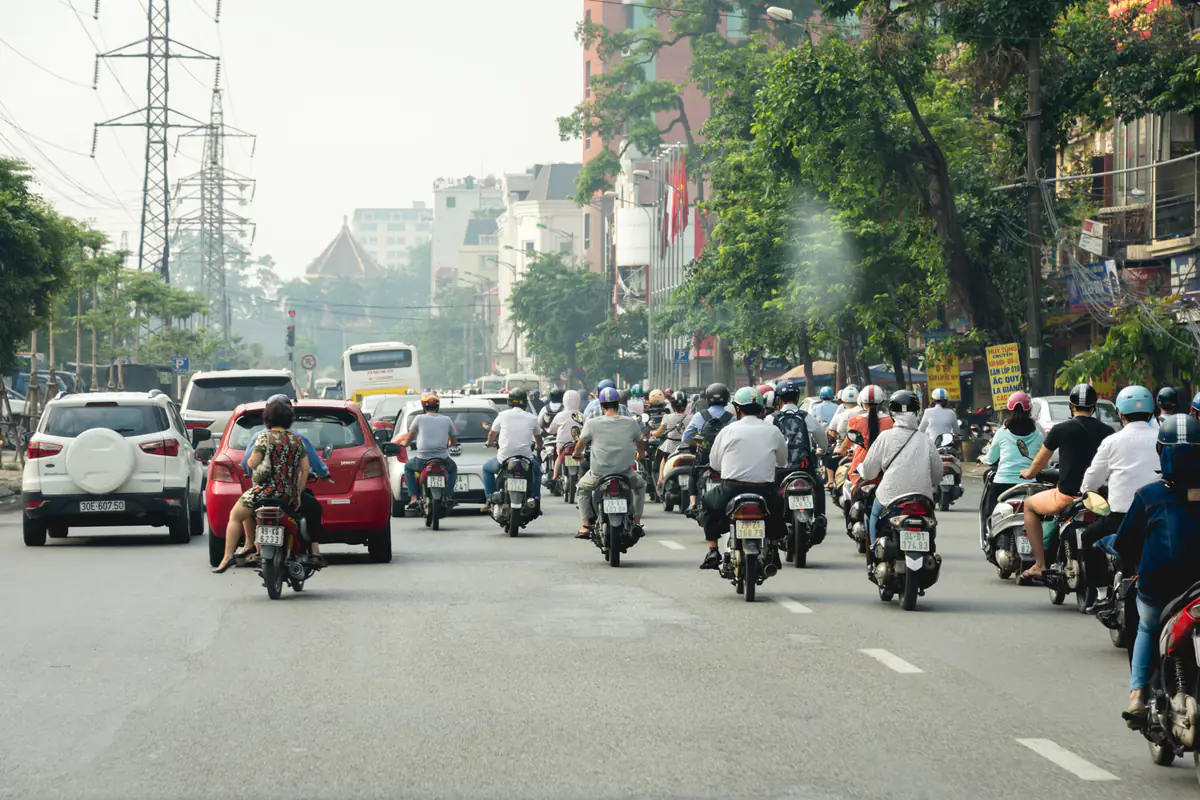
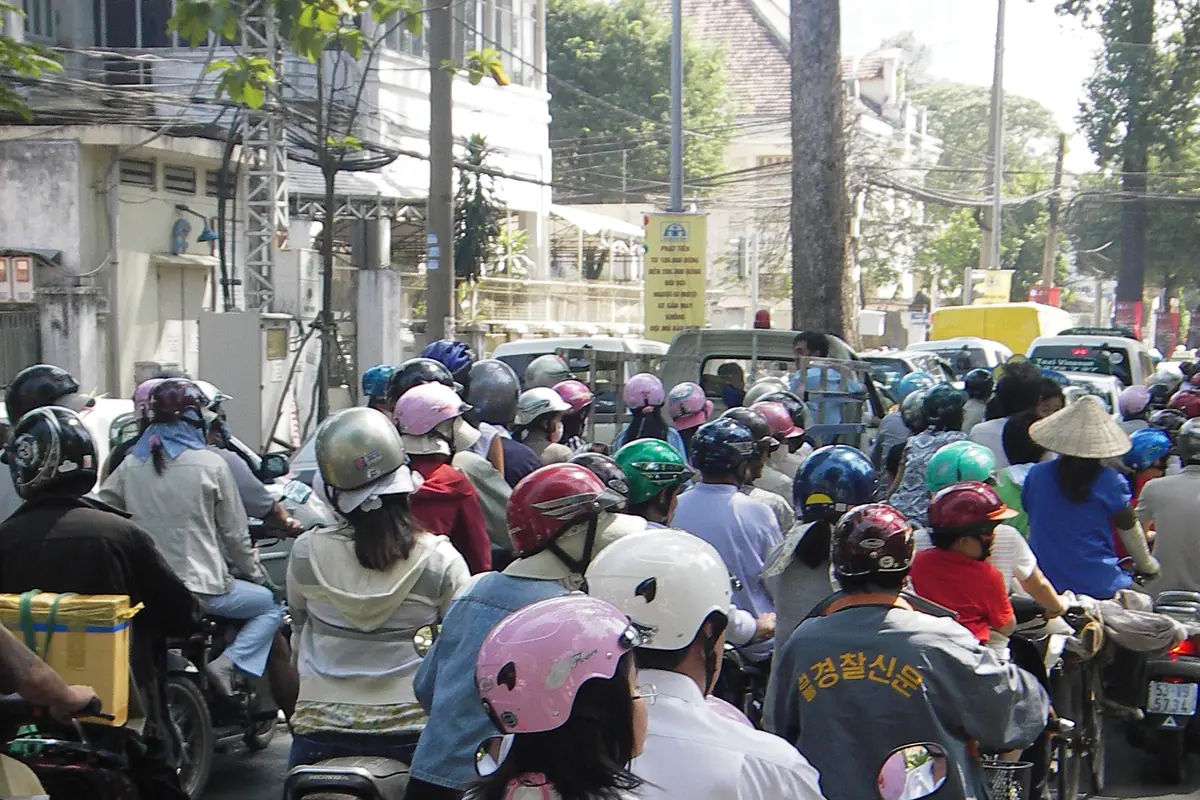
If anything hurts you in Vietnam, it's most likely to be the road. Millions of motorbikes, buses that overtake on blind bends, bikes riding on the sidewalk or against the flow: it works, but it works on rules you didn't grow up with.
Crossing the street
- Use a pedestrian crossing or footbridge where available. Wait for a safe gap, move predictably and keep watching traffic; never assume riders will steer around you.
- Make eye contact, raise a hand slightly, and keep watching both ways even on a one-way street.
- A green light for pedestrians doesn't mean every bike will stop, especially those turning right. Cross with a group of locals if you can.
Should you rent a motorbike?
Only if you're an experienced rider and your paperwork is in order. The documents you need depend on where your license was issued and the vehicle category. The common case is a home license for the right category plus an international driving permit issued under the 1968 Vienna Convention. Check your case below before renting:
- US: the IDP sold through AAA is issued under the 1949 Geneva Convention, which Vietnam generally doesn't accept. With only a US license and that permit, you aren't legally covered to ride.
- UK: the 1968 IDP plus your UK license, with the motorcycle category on it.
- Australia: Australian-issued IDPs aren't recognized in Vietnam; check the current wording on Smartraveller's Vietnam page before you plan any riding.
- Philippines and other ASEAN countries: if your license was issued in an ASEAN country, check the rules for that license and vehicle category before renting; the IDP convention alone doesn't settle your case.
This matters far beyond a roadside fine (VND2-4 million for riding a bike up to 125 cc without a valid license). Many travel policies exclude accidents where you weren't licensed for the vehicle, so a crash can leave you paying hospital bills and other people's damages yourself. After an accident you may also be barred from leaving the country until the police investigation is over.
The details for each license class, and the exception for Korean permits, are in our guide to renting a motorbike in Vietnam. If you do ride: a proper helmet fastened every time, no alcohol at all (Vietnam's limit for drivers is zero), no riding at night on mountain roads, and never leave your passport as a deposit.
The easy alternative
Buses and boats
Long-distance sleeper buses are cheap and popular, but crashes happen, most often at night with a tired driver. On mountain routes pick a daytime departure and an operator with recent reviews. On a Ha Long Bay cruise or any boat trip, expect a safety briefing and life jackets you can actually reach; if neither appears, ask, and if the weather turns and trips are cancelled, don't look for an operator who will go anyway.
Bag snatching and petty theft
The classic Vietnam theft is a phone pulled out of your hand by someone on a passing motorbike. It happens most in central Ho Chi Minh City, but also in Hanoi and other busy tourist areas, and it happens fast.
- Wear a cross-body bag on the side away from the traffic, zipped.
- Step back from the curb, or into a shop doorway, before checking maps. On the back of a bike taxi, keep the phone in your pocket.
- If someone grabs your bag, let go. People get hurt being dragged by a moving bike, and a phone isn't worth it.
- On days you aren’t driving, leave your passport in the hotel safe and carry a photo of the photo page and visa; when you ride, carry the original documents listed above. Keep valuables close on overnight trains and buses.
If something is stolen, ask your hotel to help you report it at the local police station and get a written report: insurers usually won't pay a theft claim without one.
Common scams and how to sidestep them
Many disputes can be avoided with one habit: agree on the price before anything starts, and get it in writing on a screen. If someone threatens you, seek help in a busy place rather than continuing the argument.
Taxis and meters
Most problems come from cars made to look like a big company's taxi, or meters that run fast. Book through Grab, Xanh SM or Be, where the fare is fixed upfront, or use a well-known company booked by your hotel. On a street taxi, check the company name and hotline on the car, take a photo of the plate and watch that the meter starts at the posted flag fare. Our Da Lat guide shows how to spot a fake taxi; the checks are the same in every city.
Fake Grab drivers at airports and stations
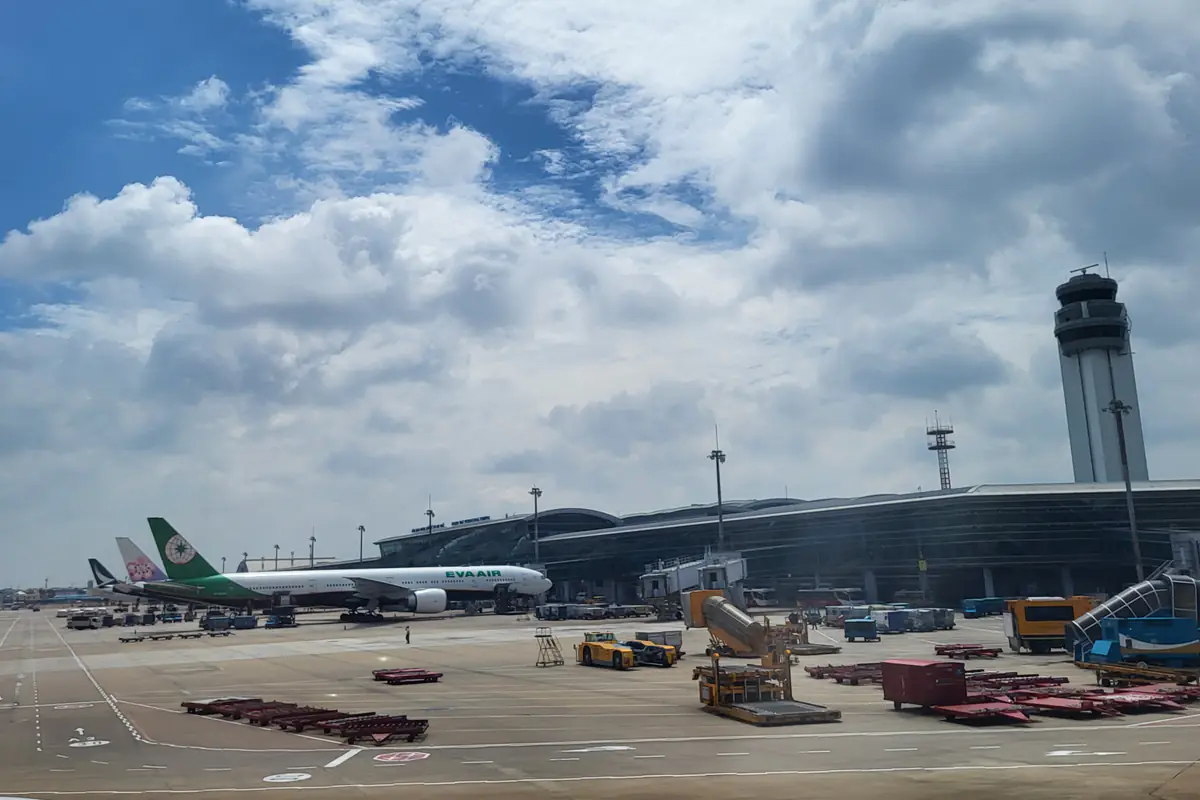
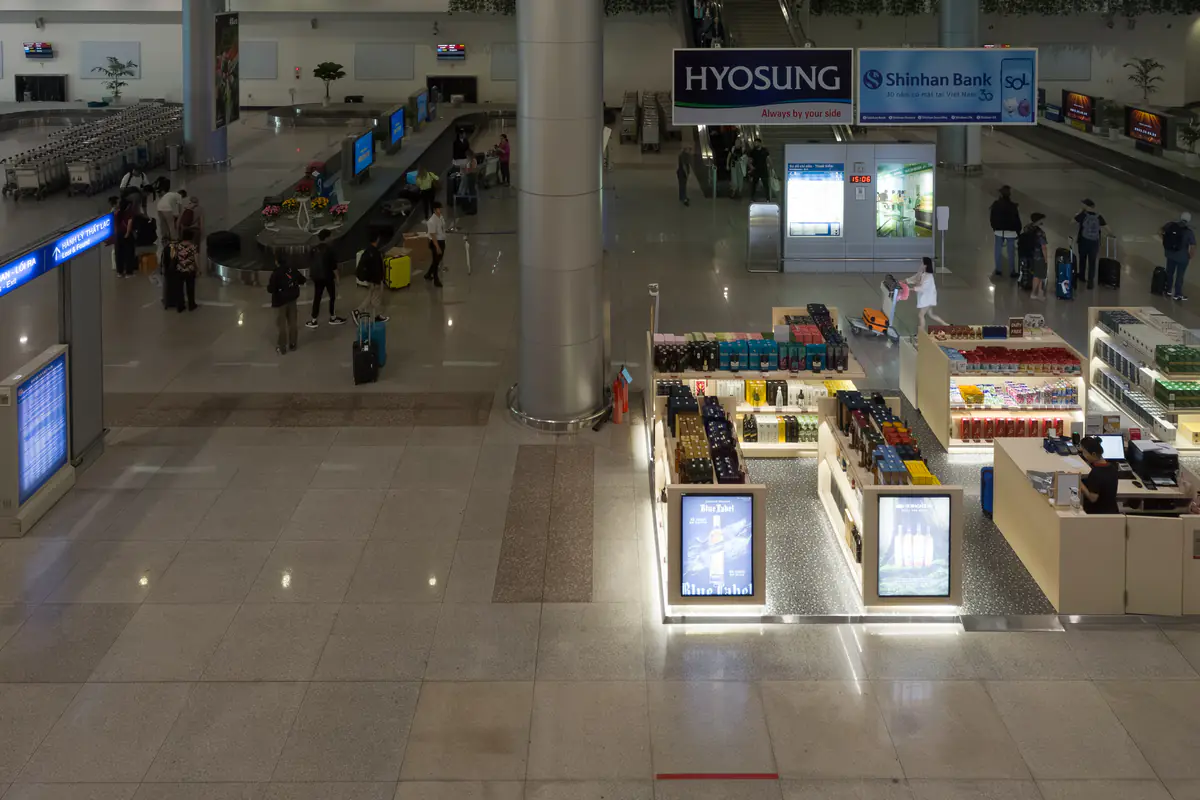
A man in arrivals asks "Grab?", sometimes waving a phone. A real Grab ride is only the one you booked in the app: walk to the pickup point the app shows, match the plate and driver's name before you get in, and pay in the app. To book on landing you need data, so set up an eSIM or local SIM before you fly or at the airport.
Cyclo prices
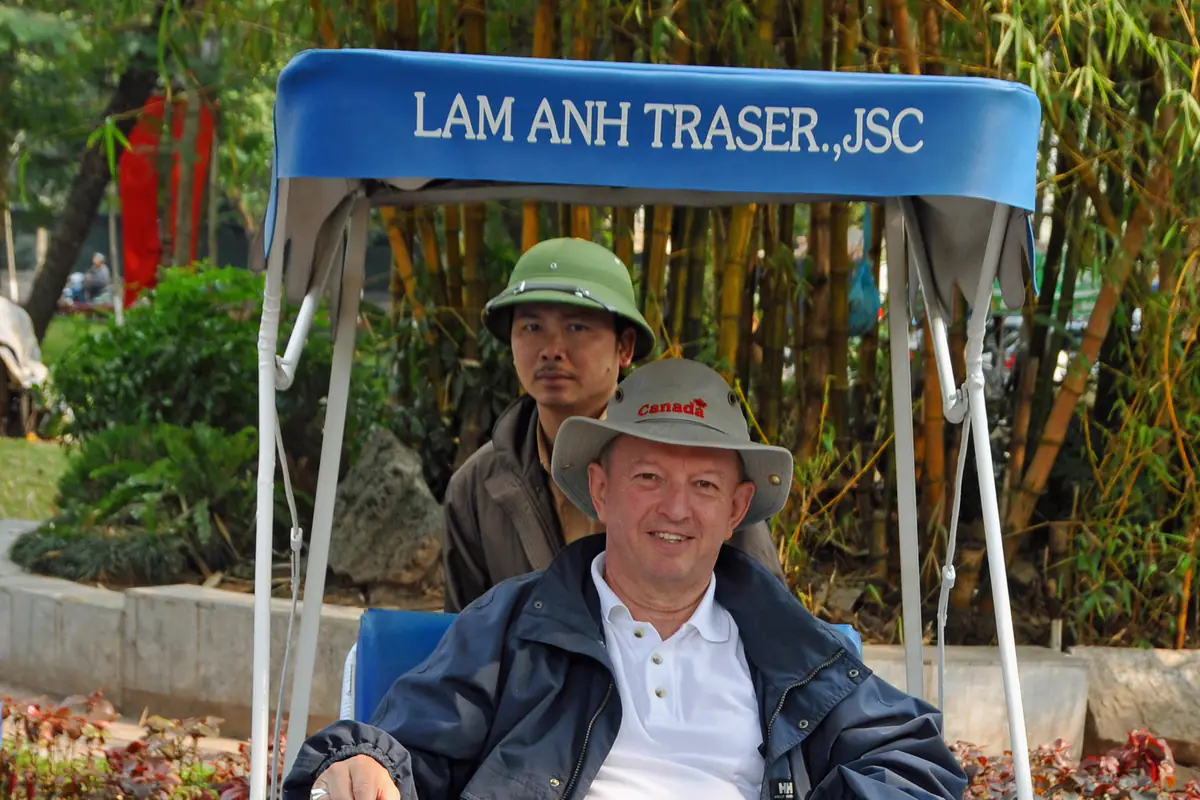
A cyclo ride around Hanoi's Old Quarter is a lovely half hour, and the most common place visitors get overcharged. In September 2025 an Australian visitor was charged about 1.2 million dong for a short loop of the Old Quarter; police made the drivers pay it back. Agree the total for the whole ride, for everyone in your group, and the route or time, and have the driver type the number on your phone. Easier still, book through your hotel or a tour desk at a fixed price.
Shoe shiners, fruit baskets and "free" photos
On tourist streets someone may start shining or gluing your shoes without asking, or hand you a fruit seller's carrying pole for a photo, and then ask for far more than the job is worth. A firm "no, thank you" and walking on works; don't let anyone take your shoes off your feet. If you do want the photo or the shine, ask the price first.
Money switching and short change
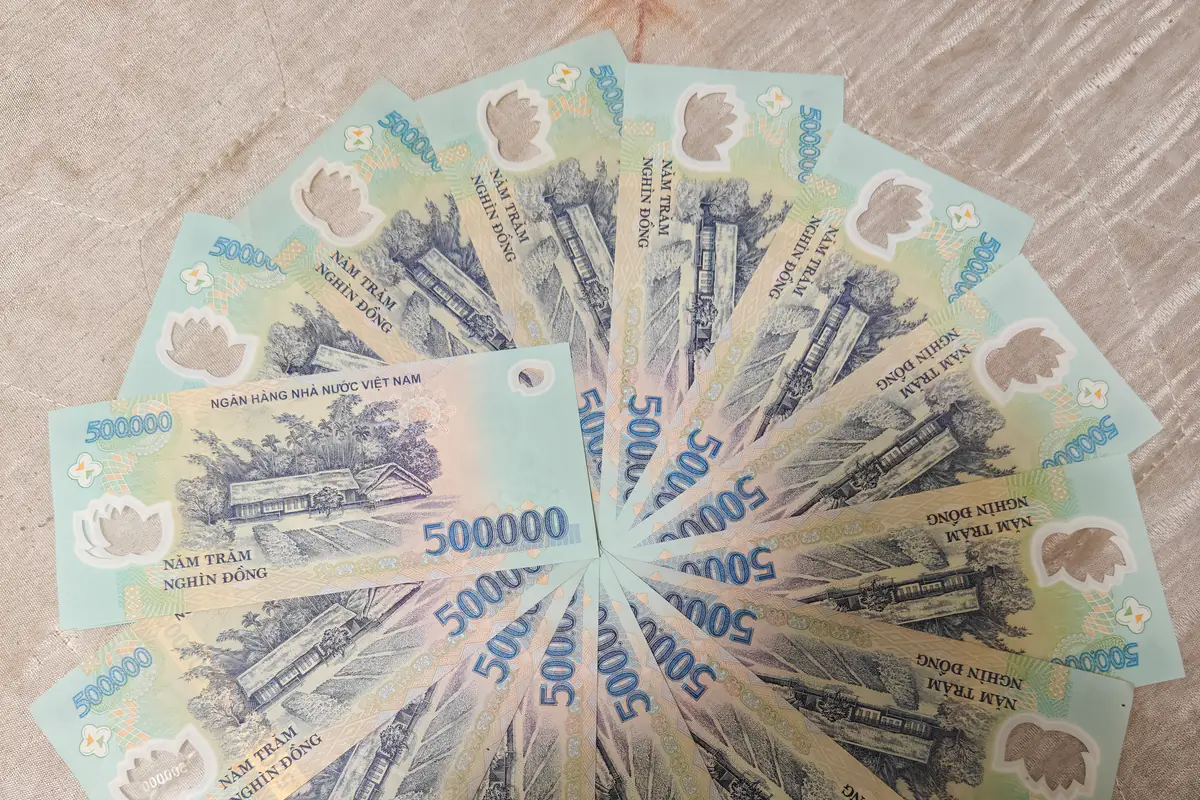
The 20,000 and 500,000 notes are both blue, and the 10,000 and 200,000 are close in color, which makes note swaps easy: you hand over a 200,000, the driver shows a 10,000 and says you underpaid. Keep big notes separate, say the amount out loud as you pay, and count your change. Our guide to Vietnamese currency shows the notes side by side.
Storms, floods and mountain passes
Tropical storms usually reach Vietnam between May and November. Central Vietnam (Hue, Da Nang, Hoi An, Quang Ngai, Nha Trang) has its rainy season roughly from September to December, and October and November are the main flood months there. Floods can close Hoi An's old town for days, and landslides shut mountain passes: the roads up to Da Lat over the Khanh Le and Prenn passes had landslide closures in November 2025.
- On a central Vietnam trip in the fall, book rooms and tours you can move, and keep a spare day before your flight home.
- When a storm or heavy rain warning is out, don't cross mountain passes, don't drive or wade through flooded roads, and follow local evacuation orders.
- Boats and island trips get suspended in rough weather. That is for your safety; don't push to go.
How each region behaves late in the year, and what usually gets disrupted, is in our guide to Vietnam weather in November and December.
Food, water, heat and mosquitoes
- Water: don't drink tap water; bottled or filtered water is everywhere. Ice in city restaurants and cafes is generally factory made, but if your stomach is sensitive, skip ice at street stalls for the first few days.
- Street food: eat where it's busy and cooked hot in front of you. Street food is one of the best things about Vietnam, not something to avoid.
- Heat: the south is hottest from March to May and the north from June to August. Plan walking in the morning and late afternoon, drink more than you think you need, and take heat exhaustion seriously.
- Mosquitoes: dengue is around all year, spread by mosquitoes that bite in the daytime. Use repellent and see a doctor if you get a high fever, including after you get home.
- Animals: rabies is present in Vietnam. Don't pet street dogs or feed monkeys; after any bite or scratch, wash the wound with soap and water and get medical care the same day; a doctor will decide whether you need rabies shots.
Alcohol: methanol and drink spiking
Vaccines for Vietnam: what to ask a travel clinic
Vietnam doesn't require any vaccines for entry. Which vaccines make sense for you depends on your vaccination history, your health, your route and how long you stay, so book a travel clinic, your doctor or a pharmacy travel service, ideally six to eight weeks before you go; a late appointment is still worth it. Typical topics:
- Routine vaccines, including measles (MMR), tetanus and flu: make sure they're up to date.
- Commonly recommended for most travelers: hepatitis A, typhoid and hepatitis B.
- For some travelers: Japanese encephalitis (longer stays, rural areas, camping) and rabies (lots of contact with animals, or remote trips far from a hospital).
- Malaria: there is none in the big cities such as Hanoi, Ho Chi Minh City and Da Nang. Tablets are only considered for some rural and forest areas, so mention your exact route.
Before the appointment, read the CDC's Vietnam page for travelers (US) or TravelHealthPro's Vietnam page (UK). If you take prescription medicines, carry them in their original packaging with the prescription and a letter from your doctor. Vietnam restricts narcotic and psychotropic medicines, which include some treatments for anxiety, depression and sleep problems, so ask your doctor whether yours is one of them before you pack. The permit-free allowance is a seven-day prescribed supply for narcotic medicines and ten days for psychotropic medicines and drug precursors. If you need more, arrange an import permit before traveling rather than reducing your medication.
Travel insurance: what to check before you buy
Insurance isn't checked at the border for most tourists, but buy it anyway. Private international hospitals in Hanoi, Da Nang and Ho Chi Minh City are good and expensive, and often want payment or an insurer's guarantee before treatment. US Medicare generally doesn't pay for care abroad, and Australian Medicare doesn't either. Read the policy for:
- Medical treatment and emergency evacuation, with a high limit.
- Motorbikes: whether riding (or riding as a passenger) is covered, and whether you must hold a license valid in Vietnam. Claims often fall apart on this point.
- Activities you plan, such as trekking in Sapa or Ha Giang, canyoning in Da Lat or diving.
- Alcohol exclusions, and the deadline and paperwork for theft claims (usually a police report).
Save the insurer's 24-hour emergency number in your phone and send your policy number to someone at home.
Emergency numbers in Vietnam
| Number | For |
|---|---|
| 113 | Police |
| 114 | Fire and rescue |
| 115 | Ambulance |
| 112 | Search and rescue |
Operators speak Vietnamese, so ask a hotel receptionist, a shopkeeper or your Grab driver to call for you. Keep your hotel's address in Vietnamese in your phone, and save the emergency number of your embassy or consulate in Hanoi or Ho Chi Minh City.
Lost or stolen passport: what to do
It's a hassle that can take a week or more, mostly because you also need to complete Vietnam’s immigration formalities for departure using the replacement document. The usual order:
- Report it to the police in the ward where it was lost or stolen, and ask for a written confirmation. Your hotel can help with Vietnamese.
- Contact your embassy or consulate for a replacement or emergency passport. Bring passport photos, the police paper and a copy of the lost passport if you have one.
- Take the new document to Vietnam's immigration authorities to get a visa or exit permission matching your entry. The main offices are in Hanoi and Ho Chi Minh City; your embassy can tell you which one to use. This can take several working days and costs a fee; leaving without it can mean being stopped or fined at the airport.
- Tell your airline and insurer, and move your flight if you need to.
Before you go, keep photos of your passport photo page, your e-visa or entry stamp and your pre-arrival form in your email or cloud storage. They make every step above faster.
FAQ
Is Vietnam safe for Americans?
Yes. The US State Department rates Vietnam at Level 1, its lowest advisory level, and American visitors are generally received warmly. The practical catch for Americans is riding: a US international driving permit is issued under the 1949 convention, which Vietnam generally doesn't accept, so take a Grab or a tour with a driver instead of renting a motorbike.
Is Vietnam safe for solo female travelers?
Many women travel Vietnam solo without trouble. Still, there have been sexual assaults in tourist areas linked to unlicensed taxis and spiked drinks, so book rides through an app for the whole journey, buy your own drinks and keep them in sight, and save your accommodation's location in your map app.
Is it safe to travel to Vietnam during typhoon season?
Usually, if you stay flexible. Storms mostly affect the coast from about May to November, and central Vietnam floods mainly in October and November. Keep bookings changeable, follow warnings, and don't cross mountain passes or flooded roads while a warning is active.
Can you drink the tap water in Vietnam?
Don't drink it. Use bottled or filtered water, which is cheap and everywhere. Brushing your teeth with tap water is something many travelers do, but if your stomach is sensitive, use bottled water for that too.