Do you need a visa for Vietnam? Visa-free stays, the e-visa and the arrival form
Citizens of 24 countries, including the UK, Germany, France, Japan and South Korea, can visit Vietnam visa-free for up to 45 days (12 of them for tourism only), and most Southeast Asian passports get 14 to 30 days. If your passport and itinerary do not qualify for a visa exemption, arrange a suitable visa before travel. You can apply for a Vietnam e-visa through the official portal. Rules change, so recheck the official pages before you book.
By Da Lat LoversPublished Updated How we review
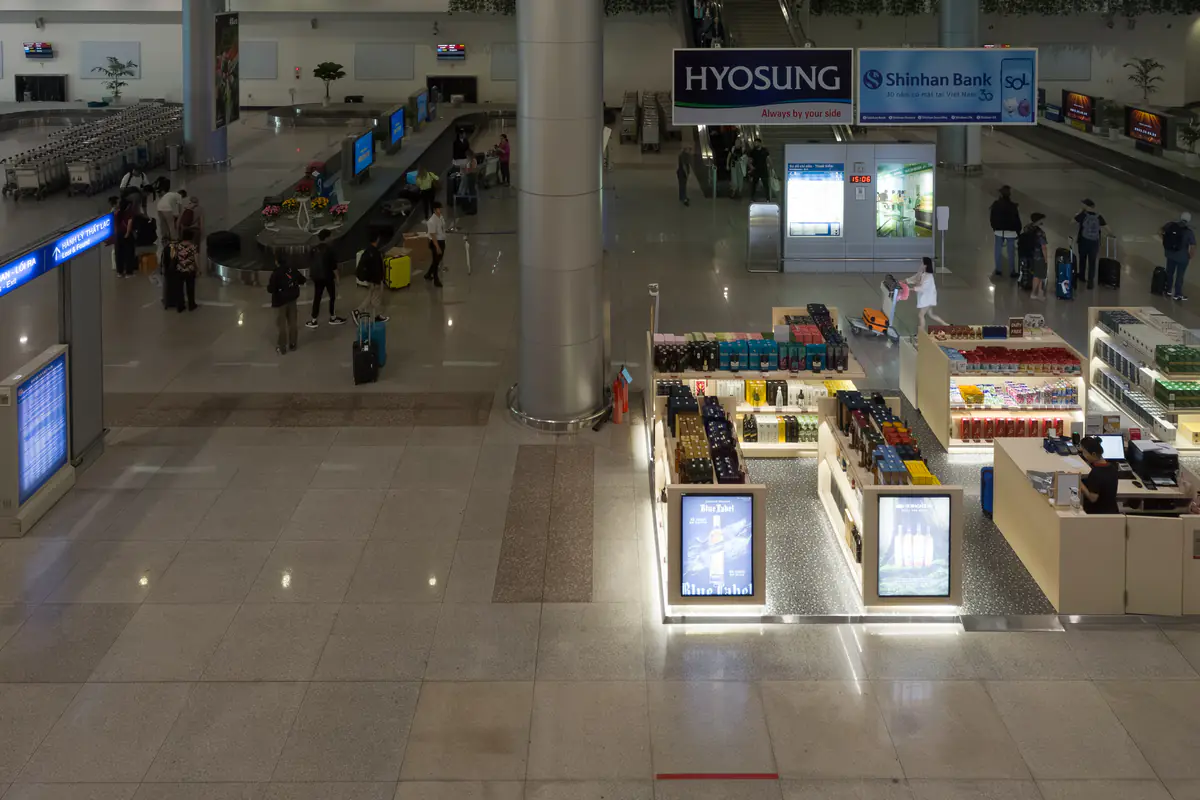
Baggage claim in the international arrivals hall at Tân Sơn Nhất Airport, Ho Chi Minh City, 2023. Photo: Matti Blume / CC BY-SA 4.0
Do you need a visa for Vietnam?
Check your visa-free eligibility below, or go straight to the official e-visa application steps.
Find your nationality below and check the visa-free period and its conditions; the days count from your arrival date. The final row covers travelers who generally need a visa.
| Passport | Visa-free stay | Basis |
|---|---|---|
| UK, Germany, France, Italy, Spain, Denmark, Sweden, Norway, Finland, Russia, Japan, South Korea | 45 days, any purpose | Resolution 44/NQ-CP, until March 14, 2028 |
| Belgium, Bulgaria, Croatia, Czech Republic, Hungary, Luxembourg, Netherlands, Poland, Romania, Slovakia, Slovenia, Switzerland | 45 days, tourism | Resolution 229/NQ-CP, until August 14, 2028 |
| Chile, Panama | 90 days | Bilateral agreement |
| Thailand, Singapore, Malaysia, Indonesia, Laos, Cambodia, Myanmar, Mongolia, Kyrgyzstan | 30 days | Bilateral agreement |
| Belarus, Kazakhstan | 30 days per visit (Belarus: 90 days per calendar year; Kazakhstan: 90 days in any 180) | Bilateral agreement |
| Philippines | 21 days | Bilateral agreement |
| Brunei | 14 days | Bilateral agreement |
| Other nationalities, such as the US, Canada, Australia, New Zealand and India | Generally need a visa before travel, such as the e-visa (exceptions include the Phú Quốc rule below) | Resolution 127/NQ-CP (e-visa) |
Not every EU country is covered. Ireland, Austria, Portugal and Greece, for example, are on neither list, so their citizens need a visa, such as the e-visa. If your trip will run past your visa-free period, arrange the right visa before you travel. Each country’s visa-free period is on the Ministry of Foreign Affairs list (in Vietnamese).
Visa-free entry also comes with conditions:
- A passport with at least six months of validity left.
- Proof of onward travel. The agreements with the Philippines and Singapore require a return or onward ticket, and airlines may ask for one at check-in.
Phú Quốc’s separate 30-day rule
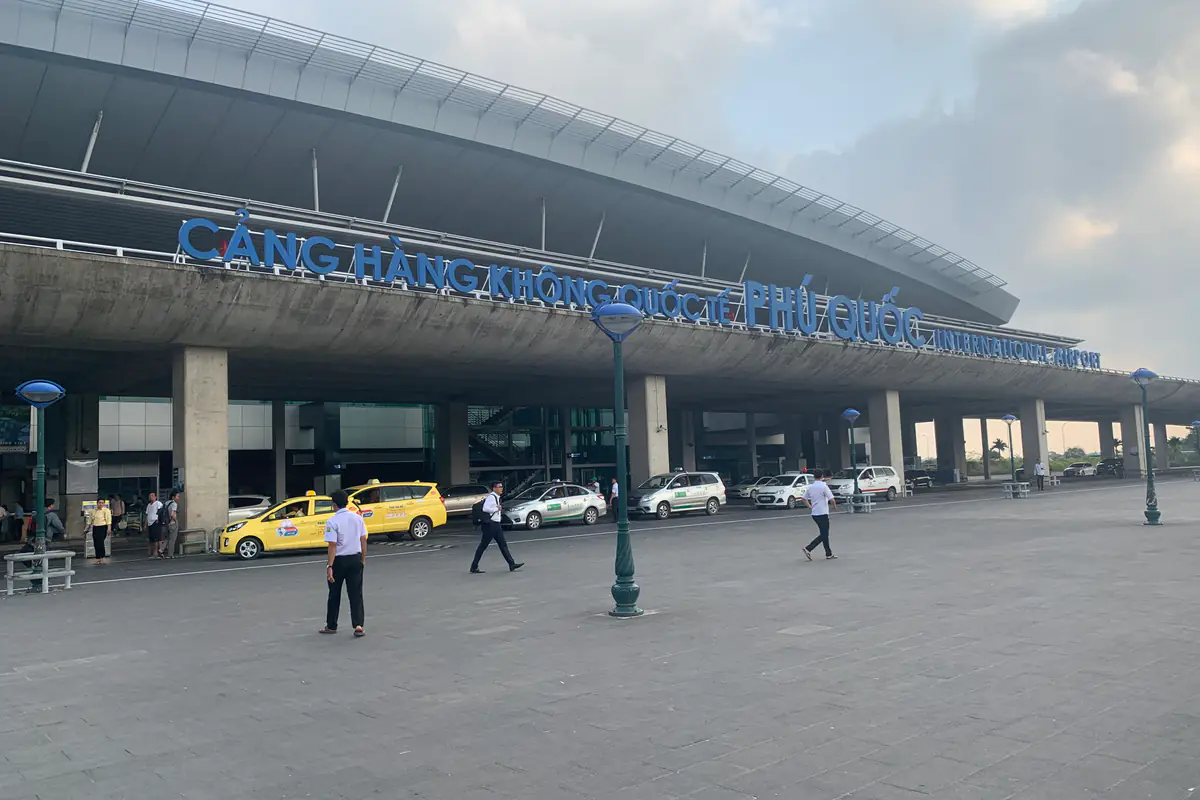
Any foreign national flying into Phú Quốc island from abroad can stay there up to 30 days without a visa, including eligible connections where travelers remain in the transit area before continuing to Phú Quốc (as of October 23, 2026). Whether your own itinerary qualifies, for example on separate tickets or if you have to collect checked bags at the connecting airport, needs confirming with your airline before you book.
The exemption covers the island only. For mainland travel, check whether you qualify for a separate visa exemption. If you do not, arrange a suitable visa before departure. Connecting through Tân Sơn Nhất? Where you clear immigration and whether to file the arrival form are covered in the pre-arrival form section.
How to apply for the Vietnam e-visa
- Who: citizens of every country and territory, since August 15, 2023 (Resolution 127/NQ-CP).
- Length: up to 90 days, single or multiple entry.
- Fee: US$25 for a single entry, US$50 for multiple entries up to 90 days (since April 1, 2026).
- Processing: the Immigration Department must reply within three working days of receiving a complete application and the fee. Weekends and Vietnamese public holidays do not count.
- Where: only evisa.gov.vn or the alternative official domain, thithucdientu.gov.vn. The Immigration Department moved the portal to these two domains on November 11, 2024.
Step by step:
- Enter evisa.gov.vn directly and check the exact domain before entering passport or payment details.
- Prepare a scan of your passport photo page and a recent portrait photo. Type your name, date of birth and passport number exactly as printed in the passport.
- Choose single or multiple entry, the start and end dates, and the airport, land border or seaport where you will enter and leave. Since December 2025, 83 border gates accept e-visas (Resolution 389/NQ-CP), and an e-visa ties you to the entry and exit points you select.
- Pay the fee online and keep the registration code you receive.
- Check the result with that code on the same portal, then download and print the e-visa.
Lookalike sites are the main trap. In August 2026, Vietnam’s Ministry of Public Security warned that fake e-visa sites use addresses resembling the official portal and paid search ads, often promising same-day or guaranteed approval, and that passport and card details entered there can be stolen. The government portal is evisa.gov.vn or thithucdientu.gov.vn and nothing else; an address that differs by a letter or a hyphen is not it, whatever its design.
Mistakes that cause trouble at the border:
- A start date later than your arrival date. The e-visa is valid only within the dates printed on it.
- Flying into an airport other than the entry point you chose.
- A name or passport number that does not match the passport you travel with, for example after renewing your passport.
Apply one to two weeks before departure. Three working days is the legal deadline for a reply, and the margin leaves time to reapply if a photo or detail is rejected.
Before you fly: passport, pre-arrival form and documents
Passport
Have at least six months left on it when you land and keep two blank pages free (Vietnamese law sets no number; guidance for UK citizens says two, for US citizens one). Travelers have been refused entry or exit over a damaged passport. Leave Vietnam on the same passport you entered with.
The pre-arrival form, or “arrival card”
What travelers search for as Vietnam’s arrival card is the online Pre-arrival Information (PAI) form, run by the Immigration Department at prearrival.immigration.gov.vn since April 15, 2026. You enter your passport details, flight, purpose of travel and where you will stay, and receive a QR code to show at immigration. It is not a visa and does not replace one.
Complete the official PAI form within three days before arrival and save the QR code. Check your arrival airport’s current instructions, as published guidance on whether filing is compulsory is not consistent:
- The Ministry of Public Security (May 13, 2026) called it optional when it launched as a pilot at Tân Sơn Nhất.
- Vietnam’s embassy in Singapore (notice of July 2, 2026) lists five airports (Nội Bài, Tân Sơn Nhất, Đà Nẵng, Cam Ranh and Phú Quốc), asks travelers to file within three days before arrival or on arrival, and strongly encourages filing before travel.
- For Phú Quốc, the Korean Consulate General in Ho Chi Minh City announced that the system has applied to foreigners arriving at Phú Quốc airport since June 1, 2026, and advises filing before arrival and saving the QR code because airport Wi-Fi can be unreliable.
- Vietnam Airlines’ entry page (as of October 23, 2026) lists it as required at Nội Bài, Đà Nẵng, Cam Ranh and Tân Sơn Nhất, with a priority lane for passengers who have filed. It adds that this does not apply to visa-exempt passengers who enter at Tân Sơn Nhất and connect to Phú Quốc.
That airline exception covers the four airports above; Phú Quốc has its own notice. On a Tân Sơn Nhất to Phú Quốc connection, ask your airline, for your exact itinerary, where you will clear immigration and whether to file in advance (needs confirming).
Official notices mention no fee. If you have not filed in advance, check the instructions at your arrival airport and allow extra time to complete the form there. Fake PAI sites have charged travelers’ cards; use only the official address above.
Other documents
- The e-visa printout if you need one, and the PAI QR code saved on your phone or printed.
- Your onward or return ticket and the address of your first night.
- No general health form: health declarations apply only to groups the health ministry designates for specific diseases, not to every traveler.
- A child under 14 traveling without a parent or guardian can be refused entry. The adult with them should carry the parents’ authorization and proof of the relationship, translated into English or Vietnamese and notarized; the required format can differ by nationality, so ask your embassy.
Arriving: immigration, e-gates and customs
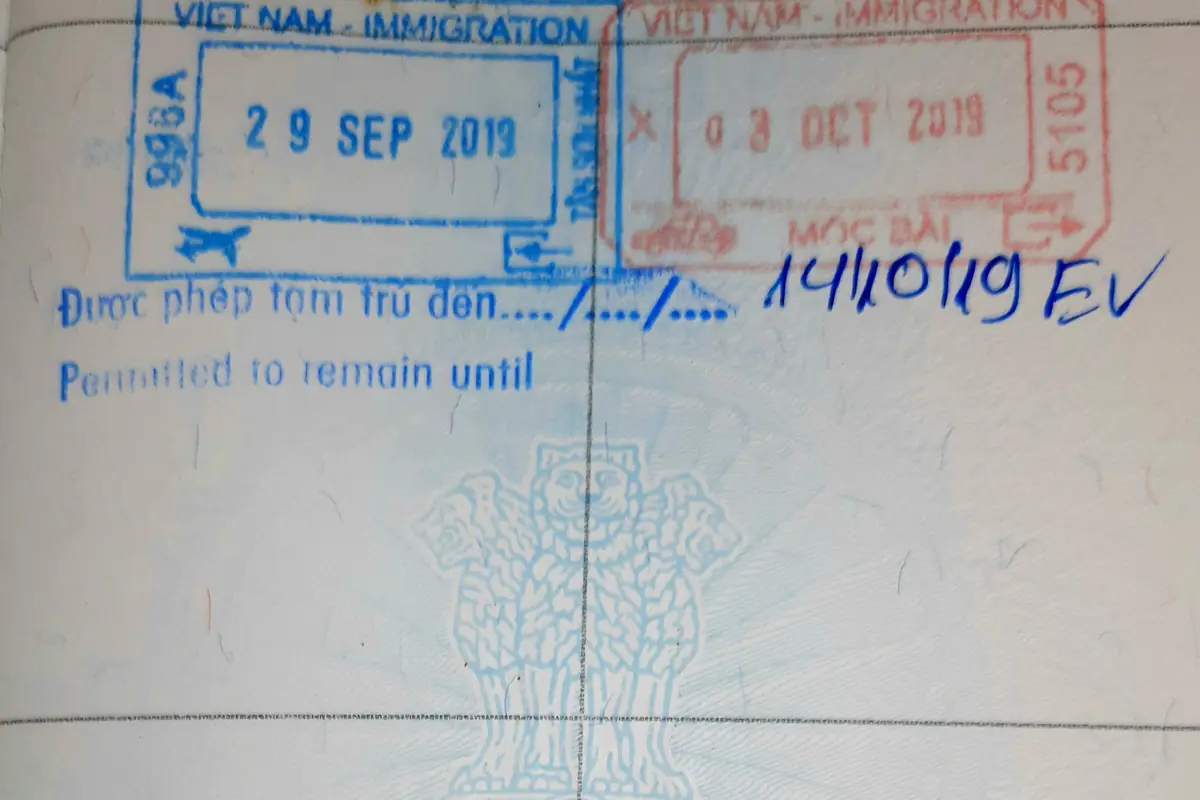
At the immigration counter, hand over your passport, with the e-visa printout if you have one, and show the PAI QR code. The officer stamps a “permitted to remain until” date. Check it before you walk away: that date, not your return flight, sets how long you may stay.
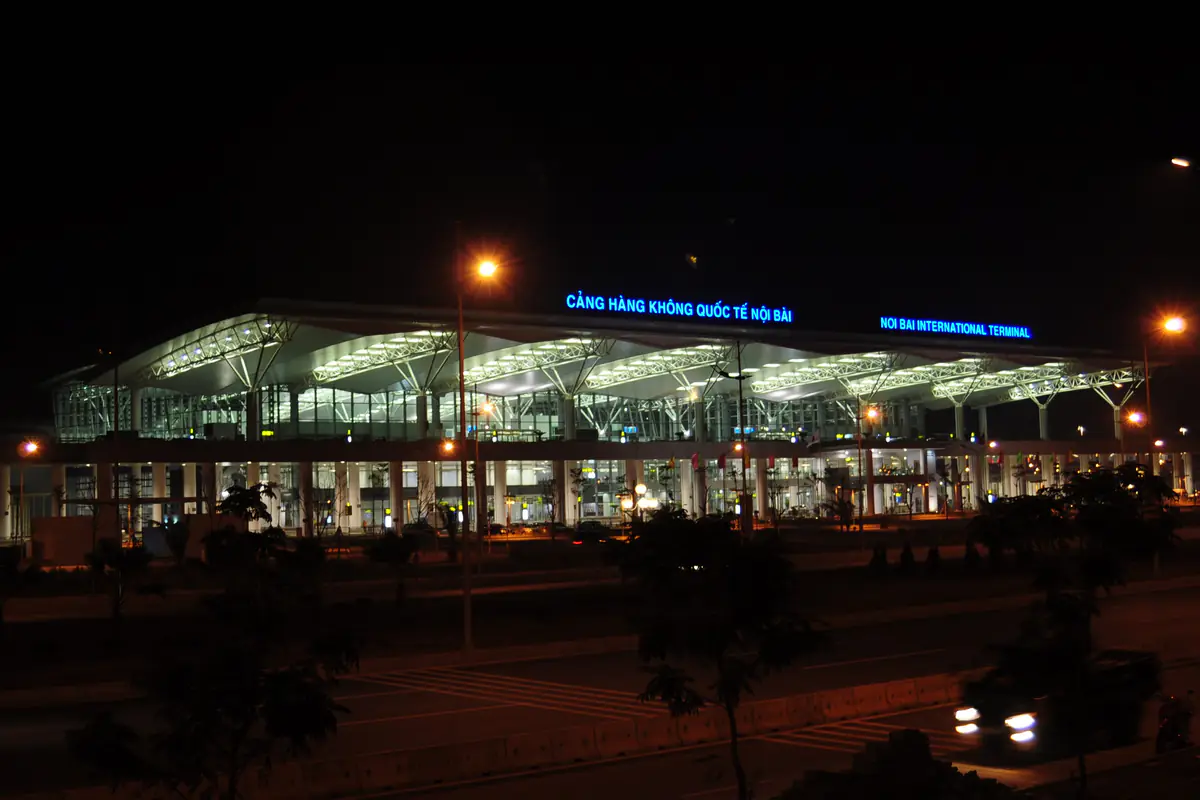
The automated e-gates at Nội Bài, Tân Sơn Nhất, Đà Nẵng, Cam Ranh and Phú Quốc are for Vietnamese citizens and for foreigners who hold a Vietnamese residence card and have registered (as of July 2026); children under 14 cannot use them. On a visa exemption or an e-visa, plan for the staffed counters.
At customs, declare if you carry:
- More than US$5,000 in foreign cash (or the equivalent) or more than VND15 million in Vietnamese cash.
- Gold jewelry weighing 300 g or more in total. Gold bars and raw gold cannot be brought in on a passport.
Undeclared amounts above these limits can be fined VND1 million to VND50 million (since July 1, 2026). Once you check in, your hotel, homestay or host must declare your stay to the local police, so expect to show your passport at reception.
Staying longer, re-entering and overstaying
If you need more time than your visa-free days, arrange a visa before you travel, such as an e-visa of up to 90 days. Inside Vietnam, the 2023 amendment lets visitors on the 45-day unilateral exemption be considered for a visa or a stay extension, but the application goes through a sponsoring organization or individual at the Immigration Department, the extension fee is US$10, and approval is not automatic. Apply before the ‘permitted to remain until’ date in your passport. Whether a tourist with no Vietnamese sponsor can do this needs confirming with the immigration office.
Leaving and coming back is allowed: the old rule requiring 30 days between visa-free entries was dropped from July 1, 2020, and each entry is stamped with its own period.
Overstay fines (since December 15, 2025): VND500,000-2 million for under 16 days, VND5-10 million for 16 to 29 days, VND10-15 million for 30 to 59 days, rising in steps to VND30-40 million for a year or more.
From 16 days, deportation can also be considered. If you have overstayed, report to the immigration office and settle the fine before going to the airport; the authorities can stop you leaving until you pay.
Before you book or fly
- At least six months left on the passport, two blank pages, no damage.
- E-visa, if needed: applied for on evisa.gov.vn only, with the right entry type, dates and entry and exit points, then printed.
- PAI form filled in within three days before arrival; QR code saved. Check the latest notice for your airport.
- Onward ticket and first-night address ready.
- Connecting to Phú Quốc through another Vietnamese airport: your airline has confirmed the itinerary meets the transit condition.
- Phú Quốc-only exemption with the mainland also on your route: a separate visa exemption checked, or a suitable visa arranged before departure.
- Arriving in November or December? Pack for the weather in the region you land in.
FAQ
Can I get a visa on arrival in Vietnam?
Not as a walk-up option. Vietnam’s law allows visas to be issued at an international border gate only in specific cases, such as some tours run by a Vietnamese international travel company, with approval arranged in advance by the sponsor in Vietnam; check with the sponsor first. For an independent trip without a visa exemption, arrange your visa before you fly, for example the e-visa.
Do children need their own e-visa?
Yes, if their passport is not visa-exempt. Each traveler applies with their own passport; the 2026 fee table lists US$25 for a visa issued to a child under 14.
How do I check my e-visa status?
On the same official portal, with the registration code you received after paying. That is also where you download the e-visa once it is approved.
Can I visit Cambodia or Laos and come back on one e-visa?
Only with a multiple-entry e-visa whose dates cover your return and a border gate that accepts e-visas. A single-entry e-visa is used up when you leave.