Complete your Vietnam arrival card online: a step-by-step guide for 2026
3 days before arriving in Vietnam is when you can start submitting your arrival information online. Use the official Immigration Department website, enter your travel details, and save the QR code after submission.
By Da Lat LoversPublished Updated
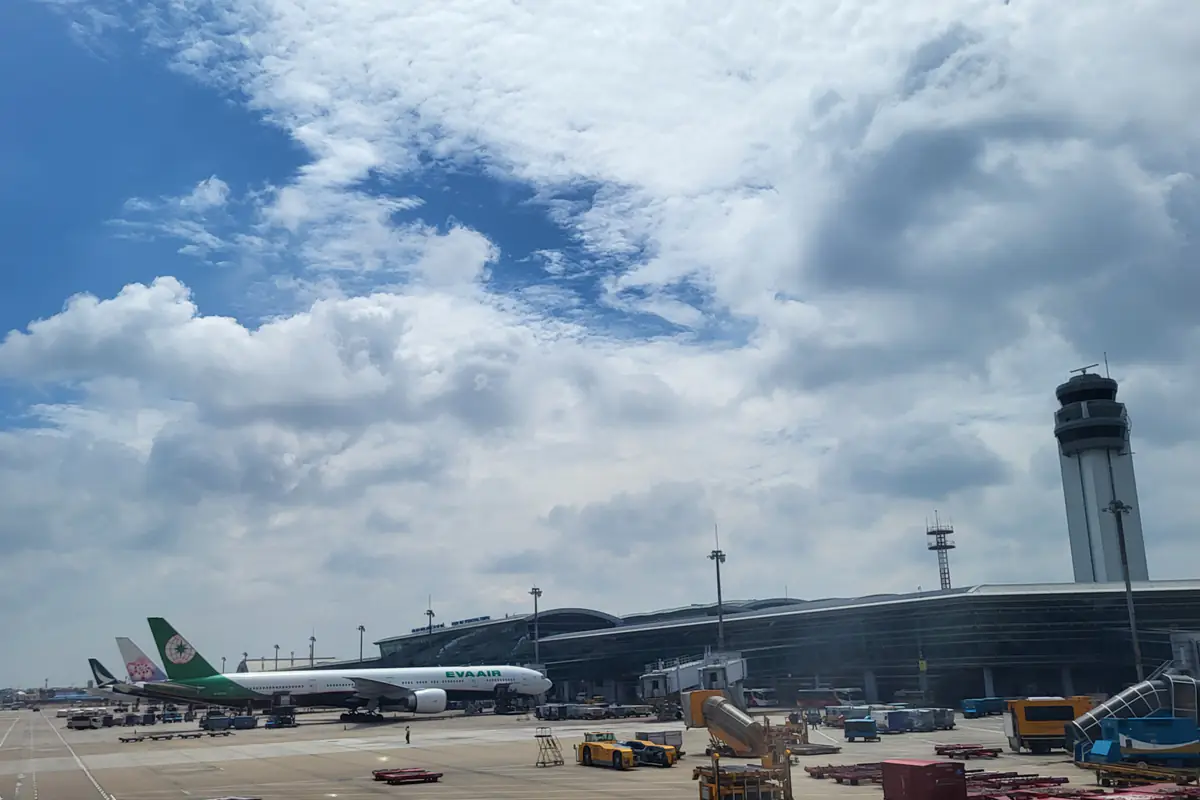
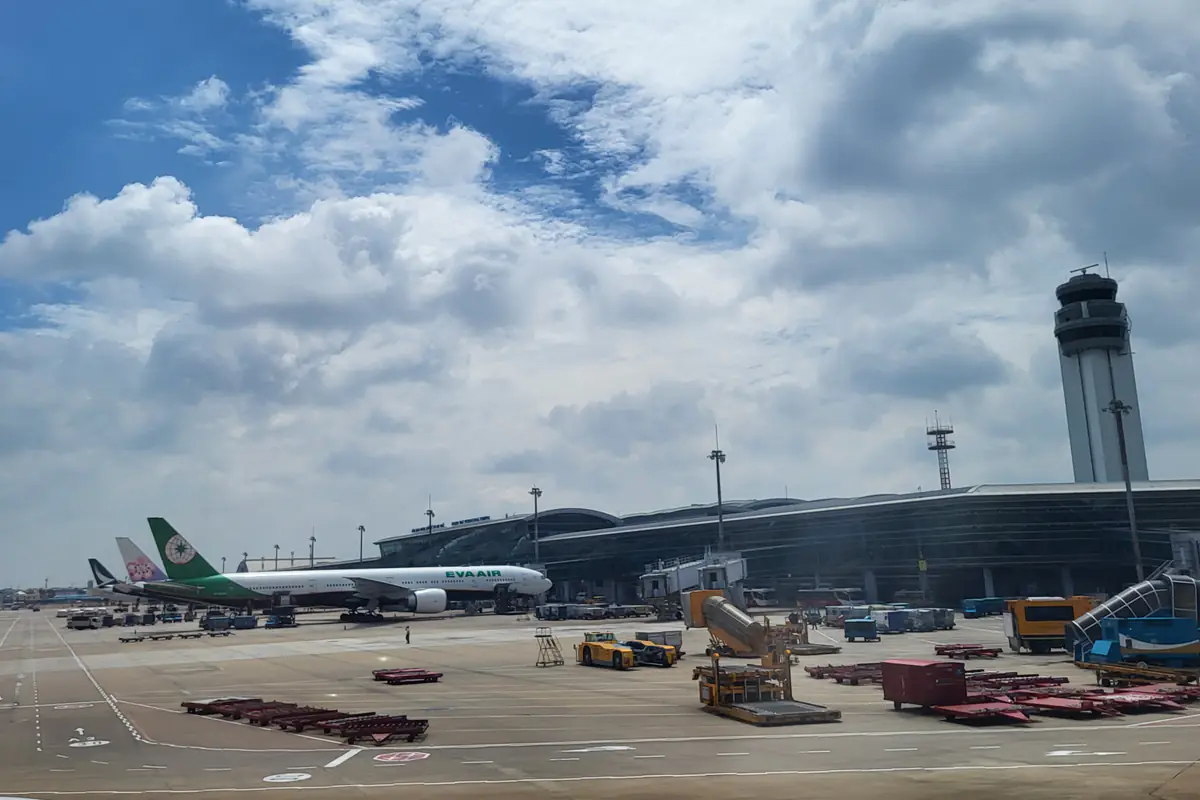
Tan Son Nhat’s international T2 terminal viewed from the aircraft apron.
A traveler landing at Hanoi's Noi Bai International Airport (HAN) on November 10, 2026, can complete the Vietnam arrival card on a phone before leaving home. The official online declaration is free and generates a QR code after submission. For now, the system is voluntary, not mandatory, at the five airports where it has been introduced.
What is the Vietnam arrival card?
The Vietnam arrival card is an online declaration that allows foreign travelers to provide their personal information and travel details before entering Vietnam.
The official system is called Pre-arrival Information (PAI). It is operated by the Vietnam Immigration Department under the Ministry of Public Security.
Vietnam began piloting the system at Tan Son Nhat International Airport in Ho Chi Minh City on April 15, 2026. It has since been introduced at several other international airports.
You may see the system described under different names:
- Vietnam Arrival Card
- Vietnam Digital Arrival Card
- Vietnam Pre-arrival Information
- Vietnam Pre-arrival Declaration
- Vietnam Online Arrival Form
These terms all point to the same online process, which the Vietnamese authorities officially call Pre-arrival Information, or PAI.
The purpose is straightforward. Travelers submit essential information before their flight, so immigration authorities receive passenger details ahead of arrival. This can make document checks more efficient and may reduce the time needed to complete immigration procedures.
Once you submit the declaration successfully, the system generates a QR code. You can save it on your phone or print it, and immigration control in Vietnam may ask to see it.
It is also different from a customs declaration or health declaration. Those are separate processes with different purposes.
Is the Vietnam arrival card mandatory in 2026?
Vietnam's PAI arrival declaration is currently voluntary at the five international airports where it operates.
These airports are Tan Son Nhat, Noi Bai, Da Nang, Cam Ranh, and Phu Quoc. A PAI QR code is therefore not an entry requirement for every foreign traveler arriving in Vietnam.
Should you complete it anyway?
Yes. Completing the form before your flight is still the practical choice.
The official system is free, and the declaration can be completed online without visiting an immigration office. Once you have submitted your information, you will have the QR code ready if airline staff or immigration officers ask to see it.
A PAI QR code won't get you into a special immigration lane or guarantee faster processing, though. You still go through the normal border checks.
Who should complete the Vietnam arrival card?
The PAI system is designed for foreign nationals entering Vietnam, meaning holders of non-Vietnamese passports.
That covers international tourists, business travelers, foreign residents returning to Vietnam, and people of Vietnamese origin entering with a foreign passport.
A Singapore passport holder flying to Hanoi for a five-day holiday can complete PAI, and so can a US passport holder traveling to Ho Chi Minh City to visit relatives.
Vietnamese citizens entering with a Vietnamese passport are not the target group for this foreign-traveler declaration.
Do children need an arrival declaration?
Children who hold foreign passports need their passport information prepared as well.
Follow the instructions displayed in the PAI system for adding or declaring individual passengers. A parent's declaration may not cover every child traveling with them.
Before submitting, check that the information for each traveler has been entered correctly. Children's names, dates of birth, and passport numbers should match their own travel documents.
What about transit passengers?
Whether you need to complete PAI depends on whether you actually enter Vietnam.
If you remain inside the international transit area and do not pass through Vietnamese immigration control, you would generally not be entering the country for the purpose of this declaration.
Passing through passport control changes things. You may need to enter Vietnam to collect checked baggage, change terminals, or connect to a domestic flight.
In that case, check your airline's instructions and consider completing PAI for the airport where you will pass through immigration.

The word transit printed on your itinerary doesn't settle the question. Ask your airline whether your baggage is checked through to the final destination and whether you will need to clear immigration during the connection.
Which airports use the Vietnam arrival card system?
The PAI pilot currently covers five international airports.
| International airport | Airport code | Location |
|---|---|---|
| Tan Son Nhat | SGN | Ho Chi Minh City |
| Noi Bai | HAN | Hanoi |
| Da Nang | DAD | Da Nang |
| Cam Ranh | CXR | Nha Trang area |
| Phu Quoc | PQC | Phu Quoc Island |
Start your Vietnam pre-arrival declaration by checking whether your arrival airport is on this list.
The airport you select should be the airport where you actually pass through immigration control.
For example, suppose you fly from Singapore to Ho Chi Minh City and then travel overland to Da Lat.
Your arrival airport is Tan Son Nhat (SGN), not Da Lat.
Similarly, a traveler flying from Seoul to Hanoi and then taking a domestic flight to Da Nang will normally clear immigration at Noi Bai before continuing, and the PAI declaration should reflect that international arrival.

What if you arrive at another airport?
The system is being expanded in stages, so other airports, seaports, and land border crossings may not follow exactly the same PAI procedure yet.
For an international flight into an airport not listed above, check the latest information from the Vietnamese authorities and your airline. The same goes for entering Vietnam by bus, train, or another land route.
Vietnam arrival card official website: where to apply
The official Vietnam arrival declaration website is:
prearrival.immigration.gov.vn
It is operated by the Vietnam Immigration Department under the Ministry of Public Security.
You can open it directly in a web browser on your phone, tablet, or computer, with no separate mobile app to download.
The website offers a declaration submission function and a separate option to look up and update an existing declaration.
Available language options include Vietnamese, English, Chinese, and French, and most international travelers find the English interface the easiest.
How can you recognize the official website?
Check the full domain carefully.
The genuine portal uses prearrival.immigration.gov.vn.
The immigration.gov.vn portion identifies the official government domain, while prearrival is the specific service.
Be cautious with websites that use similar names such as Vietnam Arrival Card Service, Vietnam Entry Form, or Express Vietnam Arrival Registration.
Some third-party websites may offer paid assistance. Others may imitate the official service.
Is the Vietnam arrival card free?
Yes. The official Vietnam PAI arrival declaration costs VND 0.
There is no government fee for submitting the form through the official portal.
Registration does not require payment or credit card information.
You need only an Internet-connected device and the relevant travel details.
After a successful submission, the system generates the QR code without any separate payment. There is no arrival card to purchase, no QR code activation fee, and no processing package to buy.
Why do some websites charge for an arrival card?
Some private companies advertise assistance with completing immigration forms and may charge a service fee for entering your information on your behalf.
That fee is not an official PAI registration charge.
You can complete the declaration yourself on the government portal without paying a third party.
If a website asks for your credit card number, CVV, or payment details before issuing a Vietnam arrival QR code, stop and check the address.
Travelers who are unfamiliar with online forms can ask a family member or trusted travel companion to help with the official declaration, at no cost.
How early should you submit the Vietnam arrival card?
You can submit the PAI declaration within three days before your expected arrival in Vietnam, which is approximately 72 hours before entry.
Buying your plane ticket weeks ahead doesn't mean declaring weeks ahead.
For example, suppose your flight is scheduled to land at Tan Son Nhat at 2:00 PM on November 10, 2026.
You can plan to complete the declaration from approximately 2:00 PM on November 7, using Vietnam local time.
For a flight scheduled to arrive at 1:00 AM on November 13, the corresponding three-day window begins around 1:00 AM on November 10.
The window is counted from your expected arrival in Vietnam, not from the day you leave home. This matters most on overnight flights and international connections.
When is the best time to submit?
For most travelers, one or two days before departure is convenient.
By then, you should have your passport, confirmed flight details, and accommodation information ready.
Submitting at the last minute is less convenient. You may have limited Internet access, discover a mistake in your passport number, or struggle to find your hotel address while standing at the airport.
On the other hand, there is little reason to attempt the declaration before the three-day window opens.
A simple schedule works well:
| Time before arrival | What to do |
|---|---|
| 5-7 days | Check airline notices and gather your information |
| Within 3 days | Complete and submit the official PAI declaration |
| 1 day before departure | Check the QR code, flight number, and arrival airport |
| At immigration | Show the QR code if requested |
Can you complete the declaration after landing?
Yes. You can submit the declaration within three days before arrival or upon arrival.
Still, completing it before departure is more convenient.
After landing, you may have limited access to mobile data or airport Wi-Fi, at least until you reach the public arrivals area. It is easier to enter the information while you are at home, at your hotel, or somewhere with a reliable connection.
What information do you need for the Vietnam arrival card?
Before opening the form, keep your passport, flight confirmation, and accommodation details nearby. That will save you from repeatedly switching between your airline confirmation, booking emails, and the declaration website.
Prepare the following information.
Passport details
- Full name exactly as printed in your passport
- Nationality
- Date of birth
- Gender
- Passport number
- Passport expiration date
- A clear image or scan of the passport information page, if requested
Flight and travel details
- Airline name
- Flight number
- Expected arrival date
- Expected arrival time
- Airport where you will clear immigration
- Expected departure date, if requested
- Purpose of travel
Accommodation and contact details
- Name of your first hotel or accommodation
- Address of your accommodation in Vietnam
- Email address
- Contact phone number
The system may also request information about your entry documents, depending on your circumstances.
Some of these fields may not be mandatory for you; the live declaration form shows which ones apply.
What if you have not booked a hotel yet?
It is easier to complete the declaration once you have confirmed your first place of accommodation.
For example, you might plan to spend two nights at a hotel on Bui Thi Xuan Street in Da Lat before traveling to Nha Trang.
That first confirmed hotel is what goes in when the form asks where you will stay. Later hotels on a multi-city itinerary normally only go in if the system specifically asks for them.
Travelers staying with family or friends should ask for the complete address before filling out the form.
The information submitted should accurately reflect your travel arrangements, so a random address copied from Google Maps just to get past a required field won't do.
How to complete the Vietnam arrival card online: step by step
The official PAI process is relatively straightforward. You access the portal, choose a language, enter the required information, submit the declaration, and save your QR code.
Here is how to handle each step.
- Step 1
Open the official PAI website
Open your browser and enter prearrival.immigration.gov.vn.
Check that the address is correct before entering any personal information.
Select English or another language you are comfortable using.
On the homepage, choose Create & Submit Pre-arrival Information, or the corresponding declaration submission option displayed by the system.
- Step 2
Complete the verification
The portal includes a CAPTCHA verification step.
Enter the characters or verification information displayed on the screen.
A CAPTCHA that is difficult to read can be refreshed using the available option.
Once the verification is accepted, continue to the passenger information form.
- Step 3
Enter your personal information
Use your passport as the reference for every personal detail.
Enter your full legal name in the appropriate fields, exactly as in your passport, without a nickname or a different English name you commonly use.
Pay close attention to how the form separates family name and given names.
Your passport number must match the document exactly.
Characters such as the letter O and the number 0 can be easy to confuse. The same applies to the letter I and the number 1.
Check your date of birth and passport expiration date carefully.
Date formats differ between countries, so follow the format the form asks for, which may not be the one you normally use.
- Step 4
Enter your flight information
Select the airport where you will first clear immigration in Vietnam.
Then enter your airline, flight number, and expected arrival details.
The flight number is not the same as your booking reference.
A booking reference identifies your reservation. A flight number identifies the actual scheduled flight.
A single booking with a connection, for example, may contain two flights. For the Vietnam arrival declaration, you need the flight that brings you into Vietnam.
Check this carefully. A flight number that does not match the airline's passenger reservation data can cause the submission to fail, because the system can't match your information correctly.
- Step 5
Enter your accommodation details
Provide the address of your first accommodation in Vietnam, following the fields requested by the system.
You can copy the address from your hotel booking confirmation.
Check the hotel name, street address, and location. Bookings made through an accommodation platform show the property information in the confirmed reservation, and that is the address to use.
For contact information, use an email account that you can actually access while traveling, not an old address you rarely check.
- Step 6
Review everything before submitting
Before clicking the final submission button, read through the declaration.
Concentrate on these four details:
- Passport number
- Flight number
- Arrival date
- Arrival airport
A mistake in any of these fields can create unnecessary complications when the information is checked.
After confirming that the details are correct, submit the declaration.
- Step 7
Save your QR code
Once the declaration is successfully submitted, the system generates a QR code.
Save it immediately.
You can take a screenshot, save the available confirmation file, or print a copy.
A screenshot is handy because you can open it without an Internet connection. Keep it somewhere easy to find, such as a travel documents folder on your phone.
A confirmation page left open in a browser tab may reload or become unavailable by the time you arrive.
At the airport, present the QR code when immigration officers request it.
What does the Vietnam arrival card form look like?
Travelers searching for a Vietnam arrival card sample often want to see the required fields before opening the official website.
The PAI declaration is an electronic form filled in on the website itself, with no paper document to download and complete by hand.
The exact wording and order of fields may change as the website is updated.
The following table shows the main types of information you should expect to prepare.
| Form section | Information requested |
|---|---|
| Personal Information | Full name, birth date, gender, nationality |
| Passport Information | Passport type, number, expiration date |
| Entry Document Information | Relevant entry document details |
| Flight Information | Airline, flight number, arrival date |
| Arrival Airport | Airport where you will clear immigration |
| Accommodation | Address where you will stay in Vietnam |
| Contact Information | Email address and phone number |
Some fields may be drop-down menus. You may need to select the airport from a list, for example.
HAN refers to Hanoi's Noi Bai International Airport, SGN refers to Tan Son Nhat in Ho Chi Minh City, and CXR refers to Cam Ranh near Nha Trang. Getting the code right matters most when your journey involves connecting flights.
Old paper arrival card templates from previous years play no part in PAI. The form to use is the current one on the official PAI website.
What if you make a mistake or change your flight?
Travel plans can change after you submit the declaration.
Your airline may move you to another flight, delay your arrival until the following day, or change the route.
The official PAI homepage provides a Lookup & Update Declaration function.
To change submitted information, return to the official website and use this option. Follow the verification instructions and check which fields the system allows you to update.
Avoid immediately creating several new declarations simply because you cannot locate the first one; the same function can find it.
If your flight number changes
Suppose your original flight is canceled and the airline moves you to another service arriving on the same day.
Your submitted flight number may no longer match the actual flight.
Open the lookup and update function and follow the instructions to correct the information.
After updating, check the confirmation and save any new QR code provided.
If your arrival date changes
A delay or rebooking may move your arrival to another calendar day.
In that case, review the date entered in your declaration and the three-day submission window, and use the official update function when available.
If the system does not allow a particular change, ask the official support staff or immigration officers for guidance rather than guessing what to do.
If you entered the wrong passport number
Treat a wrong passport number as an error that needs attention. Correct it through the official declaration update function or, failing that, ask the appropriate official support channel for guidance.
Don't count on a QR code with an incorrect passport number being corrected for you when you arrive.
If you lose your QR code
First, check your screenshots, downloaded files, and any confirmation information you saved. The declaration lookup function on the official PAI portal is the next place to try. Failing that, ask for assistance through the official system or at the immigration information desk on arrival.
What happens at the airport after you submit PAI?
Once your international flight lands in Vietnam, follow the signs toward arrivals and passport control.
At large international airports, you will pass through immigration before proceeding with the remaining arrival procedures.
Keep your passport accessible and have your PAI QR code ready.
Open the saved screenshot or printed copy when an immigration officer asks for the code, with your phone screen bright enough for it to be scanned or checked.
Only immigration officers need to see it, so ignore unofficial airport agents offering to validate QR codes. The code confirms that you submitted pre-arrival information. It does not replace your passport or the immigration inspection.
Does the QR code let you skip the immigration queue?
No.
Submitting PAI may help authorities process passenger information more efficiently, but it is not a guaranteed fast-track service.
The length of the queue still depends on factors such as the number of arriving flights, staffing, and airport operations.
Services claiming that an ordinary PAI QR code guarantees priority immigration clearance are selling something the system doesn't offer.
Can you enter Vietnam without a PAI QR code?
Because the pilot is voluntary, the absence of a PAI QR code alone should not be treated as an automatic reason for refusing entry.
Immigration officers may still ask you to provide or complete the relevant information, which could take additional time.
Travelers who arrive without having submitted the declaration should follow the instructions given by immigration staff or the airport's official information desk. There is no need to pay an unofficial third party to obtain a QR code at the airport.
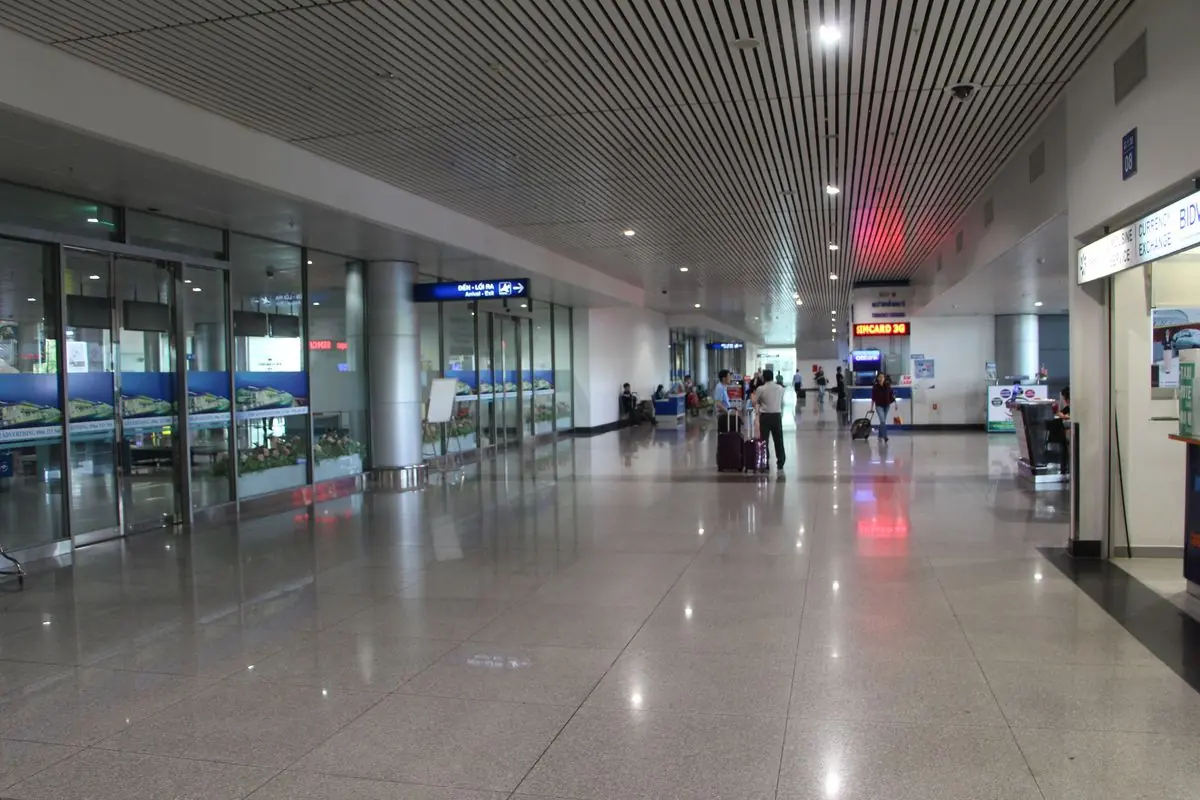
Common travel scenarios
Flying from Singapore to Ho Chi Minh City
Suppose you are flying directly from Singapore Changi Airport to Tan Son Nhat International Airport.
You can submit your PAI declaration within three days of your scheduled arrival.
After receiving the QR code, save it to your phone.
Check the flight number again before leaving for Changi, particularly if the airline has sent a schedule update.
When you land at Tan Son Nhat, follow the standard immigration process and show the QR code if requested.
Flying from Paris to Hanoi with a connection
For a journey with two international flights, the flight that lands in Hanoi is the one you need to identify correctly.
The first flight out of Paris is not the one to enter, since your itinerary includes a connection elsewhere before reaching Vietnam.
Open your airline booking confirmation and find the flight number for the final international leg into Noi Bai.
Also check the scheduled arrival date in Hanoi local time.
Flying into Cam Ranh for a Nha Trang holiday
International flights for a Nha Trang holiday land at Cam Ranh International Airport (CXR), which is your arrival airport.
Nha Trang is your destination, but Cam Ranh is where you pass through immigration. The accommodation section still takes the address of your Nha Trang hotel; the two fields cover different parts of your journey, so different place names are expected.
Arriving with your family
For a family trip, organize all passports and flight information before opening the declaration website, especially when traveling with young children.
Check the details of every traveler and follow the system's instructions for the relevant passenger declarations.
After submitting, make sure you have saved the confirmation information for everyone included.
Completing this at home is far easier than trying to check several passport numbers on a phone while standing at an airport check-in counter.
Common Vietnam arrival card mistakes to avoid
Entering a booking reference instead of a flight number
Mismatched flight information is a known cause of unsuccessful declarations.
Use the actual flight number for the international flight arriving in Vietnam. The reservation code on your ticket confirmation won't work in its place.
Using the departure date instead of the arrival date
An overnight flight may depart one country late in the evening and arrive in Vietnam the following morning.
Your PAI declaration should reflect your arrival date in Vietnam, as shown on your flight itinerary in local time.
Selecting your final destination instead of your entry airport
Tan Son Nhat is your entry airport when you fly internationally into Ho Chi Minh City and then travel on to Da Lat, even if another airport is closer to your hotel or final destination.
Forgetting to save the QR code
Save the confirmation immediately after submitting. Before departure, try opening the saved file with your phone disconnected from the Internet to confirm you can still display it at passport control.
Paying for a supposedly official arrival card
The government PAI system is free, so a website that requires payment to issue the QR code is a third-party service or a fraudulent site. Keep your credit card details away from any page impersonating the immigration authority.
Assuming the QR code guarantees entry
A completed PAI declaration is simply a record of the information you submitted.
It does not replace immigration clearance or remove the need to comply with applicable entry requirements.
The QR code also does not guarantee a particular waiting time at passport control.
What should you do before flying to Vietnam?
Online searches return several names for the same system, but there is only one form to deal with. Focus on the official PAI declaration and the information relevant to your particular flight.
First, identify your arrival airport: Tan Son Nhat, Noi Bai, Da Nang, Cam Ranh, and Phu Quoc already have the PAI system.
Next, check your airline's latest travel notices.
One or two days before departure, open the government portal with your passport, flight confirmation, and accommodation address ready.
Complete the form carefully and save the QR code.
A later change to your flight number or arrival date by the airline may mean the submitted information needs updating.
For older travelers or people unfamiliar with online forms, it may be easier to ask a trusted family member for help before heading to the airport.
Use the passport itself when entering names and numbers. Reading long passport numbers aloud over the phone can lead to mistakes, particularly when letters and digits look similar.
If the website is temporarily unavailable, do not repeatedly submit new forms without first checking whether the earlier attempt succeeded.
Use the official lookup function or ask the appropriate immigration staff for guidance.
Finally, keep your passport details and QR code private. There is no reason to post them in public social media groups or send them to strangers offering to check your arrival card.
For Vietnam's online arrival declaration, remember two things: the three-day submission window and the QR code issued after completion. Use the free government portal, check your flight details, and save the code to your phone before reaching immigration control.
FAQ
Is the Vietnam arrival card mandatory in 2026?
The PAI declaration is currently voluntary at Tan Son Nhat, Noi Bai, Da Nang, Cam Ranh, and Phu Quoc international airports. Travelers are encouraged to complete it before arrival. Check your airline's latest instructions because operational guidance may change.
What is the official Vietnam arrival card website?
The official website is prearrival.immigration.gov.vn, operated by the Vietnam Immigration Department under the Ministry of Public Security. Use the online submission function, enter your travel details, and save the QR code generated after successful submission.
Is the Vietnam arrival card free?
Yes. The official PAI declaration is completely free. No registration payment or credit card information is required. Websites charging to complete the form on your behalf are not the official government portal.
How many days before arrival should I complete the Vietnam arrival card?
You can complete the declaration within three days, approximately 72 hours, before your expected arrival in Vietnam. Submitting one or two days before your flight is convenient once your travel details are confirmed. You can also complete the declaration upon arrival, although doing it earlier is recommended.
What happens if I arrive in Vietnam without a QR code?
Because the pilot is voluntary, not having a PAI QR code does not automatically mean you will be refused entry. However, immigration staff may ask you to complete or provide the relevant information. Follow the instructions at the official immigration counter or airport information desk.