Can a Hoi An tailor finish your clothes in three days?
Two fittings after measurement are worth more room in your itinerary than a 24-hour turnaround promise. We would allow three usable days for a suit, fitted dress or ao dai so there is time to correct it.
By Da Lat LoversPublished Updated
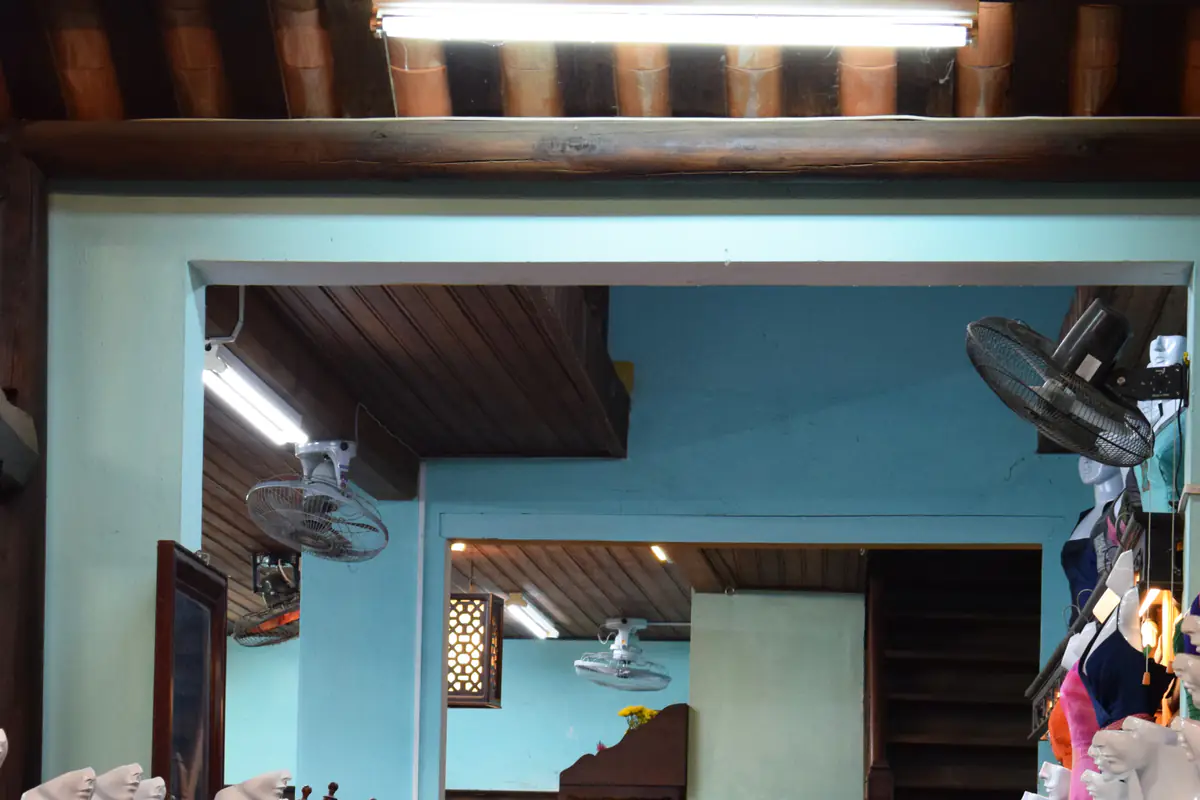
Dresses and a suit on display in a Hoi An tailor shop.
Ordering a suit on your last evening in Hoi An (Hội An) leaves the most important part to chance: what happens if it does not fit? A shop may be able to sew quickly, but your departure removes the opportunity to correct the result. We would visit on the first day, disclose our actual leaving time and agree on fitting appointments before choosing fabric.
Allow three usable days, with room to return
For a suit, a fitted dress or an ao dai, we would allow three days in town and plan two fittings after the initial measurements. Agree on fitting appointments and a collection deadline with the shop before paying a deposit. A fourth day gives you more flexibility if the shoulders, sleeves or shape need another adjustment. A simple shirt can take less time, but it still deserves a final try-on.
Being measured is not a fitting. Measurements record your body; a fitting shows how the garment behaves on it. Ask whether “ready tomorrow” means the first version will be available to try or the finished order will be ready to collect. Those are different commitments, especially when several people are ordering together.
- First day: agree on the design, fabric, total price and return appointments.
- Second day: try the garment, move in it and record the changes.
- Third day: check the alterations with the shoes and underwear you intend to use.
Count the hours you can actually reach the shop. Arriving after dinner and departing before breakfast does not create two useful tailoring days. If you are based in Da Nang (Đà Nẵng), repeated car journeys can make a cheap shirt an expensive purchase. For a single evening visit, we would browse ready-made clothing or skip the order.
Compare the same garment and the same cloth
Hoi An tailor prices vary enough that a single citywide price list would be misleading. Use the Nathan Tailors ranges below to plan a budget, then request a quote for your chosen fabric and design. Prices are in US dollars. Ask for the final payable amount and currency before paying a deposit.
| Garment | Reference range | Clarify before comparing |
|---|---|---|
| Cotton or linen shirt | US$25-50 | Fabric composition, sleeves, collar and cuffs |
| Two-piece or three-piece suit | US$100-350 | Number of pieces, cloth and jacket construction |
| Simple cotton dress | US$40-80 | Lining, length and design details |
| Silk cocktail dress | US$80-200 | Silk content; elaborate lace or beading costs extra |
| Ao dai | US$40-100 | Trousers, lining and decoration |
For context, Nathan Tailors separately lists suits from US$169 to US$459 depending on fabric. A premium option can therefore sit above the broad reference range. Do not compare a jacket-only quote with a complete suit, or assume a shirt comes with either. Give two shops the same design and cloth requirements if you want a useful comparison.
Look for a useful consultation before a persuasive sales pitch
The shop should ask where and how you will wear the clothes. A weekly office suit needs different choices from a jacket for one tropical wedding. A fitted dress should let you sit through dinner. Bring a garment whose fit you like and explain which parts you want repeated. A photograph of a model cannot communicate your preferred comfort or freedom of movement.
You can start comparing processes and samples at Nathan Tailors and BeBe. Compare the samples in person and ask how alterations are handled before choosing. Ask to see something similar to the item you want, including the inside. Check buttonholes, seams and whether the lining pulls when the garment moves.
Read reviews for the clothing described and how alterations were handled. “Lovely staff” tells you less about a structured jacket than a clear account of fitting and correction. If you feel rushed to pay before the fabric and appointments are settled, leave. Time spent looking at samples does not oblige you to buy.

Avoid unclear fabric claims, not every blend
A blend may be a sensible choice for easy care or reduced wrinkling. The problem is paying for pure silk or cashmere without a clear statement of what you are buying. Ask for the composition and fabric code on the order, and retain a small swatch when possible. An impressive label on a roll is not independent verification of every sales claim.
Look at the fabric in daylight or near a bright window. Hold it over a color similar to the underwear or shirt you will wear beneath it. Gently scrunch a small section and see whether the resulting wrinkles bother you. Linen that creases is not necessarily defective, but it may be wrong for someone expecting an always-crisp finish.
Ask about cleaning before you order. Dry-clean-only clothing is a recurring expense at home, not just a detail on collection day. Consider the lining as well as the outer fabric for warm-weather use. Do not attempt a burn test in the shop. A clear specification and a shop willing to discuss limitations are more useful than a dramatic demonstration.

Test the clothes in ordinary movement
Wear the intended shoes when trouser hems or a long dress are being marked. Bring the appropriate shirt for a suit and the underwear you will wear with a fitted dress or ao dai. Stand naturally during measurement. Holding in your stomach may improve a mirror moment but does nothing for a comfortable lunch back home.
Sit down, walk, reach forward and fasten the buttons. Describe the problem in terms of movement: “This pulls across my back when I reach” is easier to act on than “It looks wrong.” With permission, take front, back and side photographs and keep one written list of the changes agreed.
At the next fitting, check that list item by item. Do not let a hotel delivery replace the final try-on while you still have time to return. If you want several shirts in the same cut, ask whether one can be fitted before the others are finished. Multiplying an untested design also multiplies the corrections you may need.
Put the payment and correction terms in writing
Keep an order showing the shop’s identity and contact details, garment count, design, fabric code, total price, deposit, outstanding balance and collection deadline. Include what alterations are covered and what happens if the order is late. No particular deposit percentage automatically protects you from a dispute or guarantees a refund.
Agree before paying
Get the correction, cancellation and refund terms in writing. Do not assume a poor fit creates an automatic full refund, or that a card dispute will certainly recover the payment.
Ask about card fees and the currency charged. For a bank transfer, check the recipient against details confirmed by the shop. Save the receipt beside your reference pictures and agreed changes. If something is wrong, identify the mismatch with the order and propose a specific remedy and deadline. A calm request to correct a sleeve by the next morning is clearer than an argument about whether the entire suit is “good.”
Ship finished clothes, not an unresolved fitting
We would carry the order home after trying it on. International shipping is useful when baggage space is tight, but it does not solve an unfinished fit. Agree on the carrier, cost, tracking, declared value, any insurance and who handles loss or damage. Import taxes and carrier charges at your destination may be separate from both the tailoring and postage.
An estimated delivery date is not a promise that your wedding outfit will arrive in time. Leave room for any necessary alterations at home. If you must depart before completion, get the approval and shipping arrangements in writing, including how a fit problem will be handled. Usually the better choice is earlier in the process: order fewer pieces so that you can inspect and accept every one before leaving.
FAQ
Should I order a suit during one evening in Hoi An?
Not unless you can return for fitting and corrections. Consider ready-made clothing or allow more days.
Does a smaller deposit guarantee a refund?
No. Agree in writing on corrections, cancellation and refunds before paying.
Can the shop ship clothes internationally?
Ask about shipping, but settle fit first and confirm the carrier, taxes and responsibility for loss.